As Latin America continues to invest heavily in transportation networks, the significance of modern asphalt plants cannot be overstated. These facilities serve as the backbone of road construction, enabling rapid, efficient, and high-quality paving that meets the region’s growing infrastructure demands.
Introduction to Asphalt Plants
An asphalt plant is a facility where raw materials such as aggregates, bitumen, and fillers are combined to produce asphalt mixtures used in paving roads, highways, and urban streets. The choice of asphalt plant(planta de asfalto) type, location, and production capacity directly impacts project efficiency, cost, and quality.
In Latin America, countries like Brazil, Mexico, and Peru are experiencing a surge in road infrastructure projects. The demand for reliable asphalt production facilities is high, driving innovation and adoption of both stationary and mobile solutions. The mobile asphalt plant, in particular, offers flexibility for projects in remote or challenging terrain.
Types of Asphalt Plants and Their Applications
Drum Mix Asphalt Plants
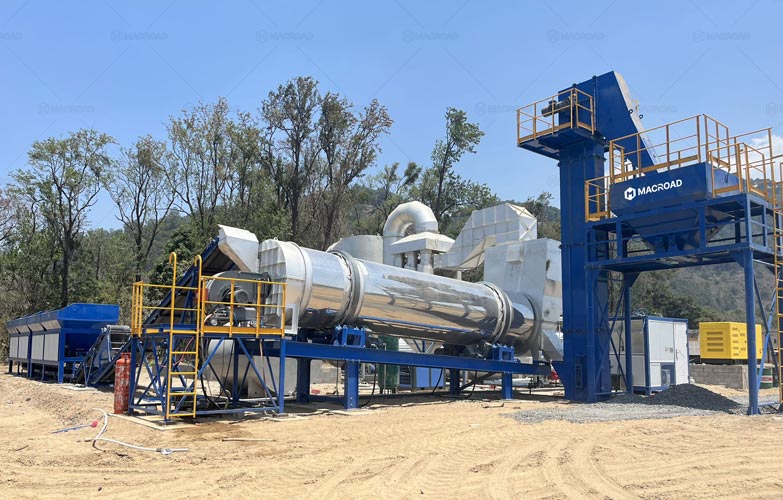
The drum mix asphalt plant is among the most widely used types of asphalt production facilities in Latin America. In this system, raw materials are continuously fed into a rotating drum where they are dried, heated, and mixed with bitumen. This process ensures a steady flow of asphalt and is ideal for large-scale highway projects where high output is critical.
Drum mix plants offer several advantages, including:
- Continuous production suitable for long paving stretches.
- Lower operating costs due to streamlined processes.
- Compatibility with recycled asphalt pavement (RAP), which supports sustainable construction practices.
Batch Asphalt Plants
Batch plants, in contrast, produce asphalt in discrete batches, offering precise control over mix composition and temperature. This is essential for urban infrastructure projects where high-quality surface finish and durability are critical. Although batch asphalt plants can be less efficient for large-volume projects compared to drum mix plants, their precision makes them indispensable for specialized paving.
Mobile Asphalt Plants
For regions with remote construction sites or limited access to stationary facilities, mobile asphalt plants(plantas asfálticas móviles) provide a practical solution. These portable units can be transported on trailers, set up quickly, and resume production within days. They are particularly useful in Latin America’s mountainous regions, dense forests, or areas undergoing rapid urbanization where infrastructure projects may be scattered and time-sensitive.
Factors Affecting Asphalt Plant Selection
Production Capacity
One of the primary considerations when selecting an asphalt plant is its production capacity. Latin American road projects range from small rural roads to multi-lane highways. Plants must be matched to the project’s volume requirements to avoid underproduction, delays, or increased costs.
Cost Considerations
Understanding the asphalt plant price(planta de asfalto precio) is crucial for budgeting infrastructure projects. Prices vary depending on plant type, production capacity, and technological features. While stationary plants offer higher output and durability, mobile plants are often more cost-effective for temporary or smaller projects. Investment decisions should balance purchase cost with long-term operational efficiency.
Environmental and Regulatory Compliance
Environmental regulations in Latin America are becoming increasingly stringent. Asphalt plants must incorporate dust collection systems, efficient fuel usage, and emission control technologies. Modern plants, both drum mix and batch types, are equipped with advanced filters and exhaust systems to minimize air pollution. Compliance ensures smoother project approvals and enhances the company’s reputation in the market.
The Role of Asphalt Plants in Transportation Infrastructure
Enhancing Road Quality
High-quality roads are essential for economic growth, reducing vehicle wear, and improving travel efficiency. Asphalt plants ensure consistent material quality, proper aggregate grading, and precise bitumen content, all of which contribute to durable, smooth roads. The use of modern drum mix asphalt plants helps maintain uniformity over long stretches, minimizing maintenance needs and extending pavement life.
Speeding Up Project Timelines
Fast production and supply of asphalt are critical in large-scale infrastructure development. Mobile asphalt plants, in particular, accelerate project timelines by allowing asphalt to be produced close to the construction site. This reduces transportation delays, ensures material freshness, and enables contractors to maintain continuous paving operations, even in remote locations.
Supporting Urban Expansion
Latin America’s urban areas are expanding rapidly, demanding extensive road networks, parking facilities, and pedestrian zones. Asphalt plants supply high-quality paving materials that support this urban growth. The flexibility of mobile asphalt plants is particularly valuable for projects that require frequent relocation of production units to serve multiple urban sites efficiently.
Boosting Local Economies
Investments in asphalt plants contribute to local economies by creating jobs, stimulating equipment manufacturing, and supporting ancillary industries such as transportation, bitumen supply, and construction services. This multiplier effect strengthens regional economies and enhances the overall infrastructure development ecosystem.
Technological Advancements in Asphalt Production
Automation and Control Systems
Modern asphalt plants are increasingly equipped with automated control systems that monitor temperature, mix composition, and production rates in real time. These systems reduce human error, enhance safety, and improve the overall quality of the asphalt mix. Automation also allows remote monitoring, enabling operators to manage multiple sites efficiently.
Recycling and Sustainability
Recycled asphalt pavement (RAP) is gaining traction across Latin America. Drum mix plants can integrate a high percentage of RAP without compromising quality, reducing the need for virgin materials and lowering carbon emissions. Sustainable practices like these are crucial for meeting environmental standards and fostering long-term infrastructure resilience.
Energy Efficiency
New plant designs focus on energy efficiency, reducing fuel consumption during heating and drying processes. Energy-saving drum mix asphalt plants(plantas de asfalto continuas) not only lower operating costs but also align with global sustainability initiatives, providing a competitive advantage for contractors in the Latin American market.
Choosing the Right Asphalt Plant in Latin America
Assessment of Project Requirements
The first step in selecting an asphalt plant is evaluating project requirements such as road length, volume, location, and timeline. For example, a remote highway in Peru may be better served by a mobile asphalt plant, while a large-scale urban expressway in Brazil may require a high-capacity stationary drum mix plant.
Budget and Investment Planning
Considering the asphalt plant price is essential for financial planning. While mobile plants may require lower upfront investment, operational efficiency, maintenance costs, and output quality must also be factored in. Investing in advanced technology often results in long-term savings and higher project performance.
Vendor Selection and Support
Choosing a reputable equipment supplier ensures access to technical support, spare parts, and maintenance services. Many international and Latin American vendors provide turnkey solutions that include installation, staff training, and post-sale service, which are critical for project success.
Conclusion
Asphalt plants play a strategic role in Latin America’s transportation infrastructure by supplying high-quality, efficient, and sustainable paving materials. Both stationary and mobile plants have distinct advantages, and selecting the right type depends on project scale, location, and budget. Modern technologies such as drum mix asphalt plants, automation, and energy-efficient systems are shaping the future of road construction in the region.
Investing in the right asphalt production infrastructure not only accelerates project timelines but also ensures durable roads, supports urban expansion, and contributes to local economic growth. For contractors and governments alike, understanding the strategic role of asphalt plants is essential for delivering high-quality infrastructure that meets the demands of a rapidly developing Latin America.
In conclusion, as Latin America continues to enhance its road networks, the demand for versatile and technologically advanced asphalt plants will only increase. Whether through mobile units for remote sites or high-capacity stationary drum mix plants, these facilities remain indispensable for achieving sustainable and efficient transportation infrastructure.