Producing 2,000 tons of asphalt per week sounds like a clear capacity target. However, choosing an asphalt plant based only on this number can lead to the wrong investment. A contractor must also consider working hours, paving schedules, plant efficiency, peak demand, maintenance, and future projects.
For example, a plant producing 50 tons per hour can theoretically make 2,000 tons in a 40-hour week. Yet, this leaves little room for plant warm-up, material loading, maintenance, mix changes, and unexpected delays. Therefore, a 60 TPH asphalt plant often provides a more practical starting point. For contractors with irregular projects or expected growth, an 80 TPH plant can offer more operating flexibility.
This article explains how to calculate the required asphalt plant capacity and how to select a suitable plant for a weekly demand of 2,000 tons. It also considers how an asphalt mixer plant can fit different production schedules and project conditions.
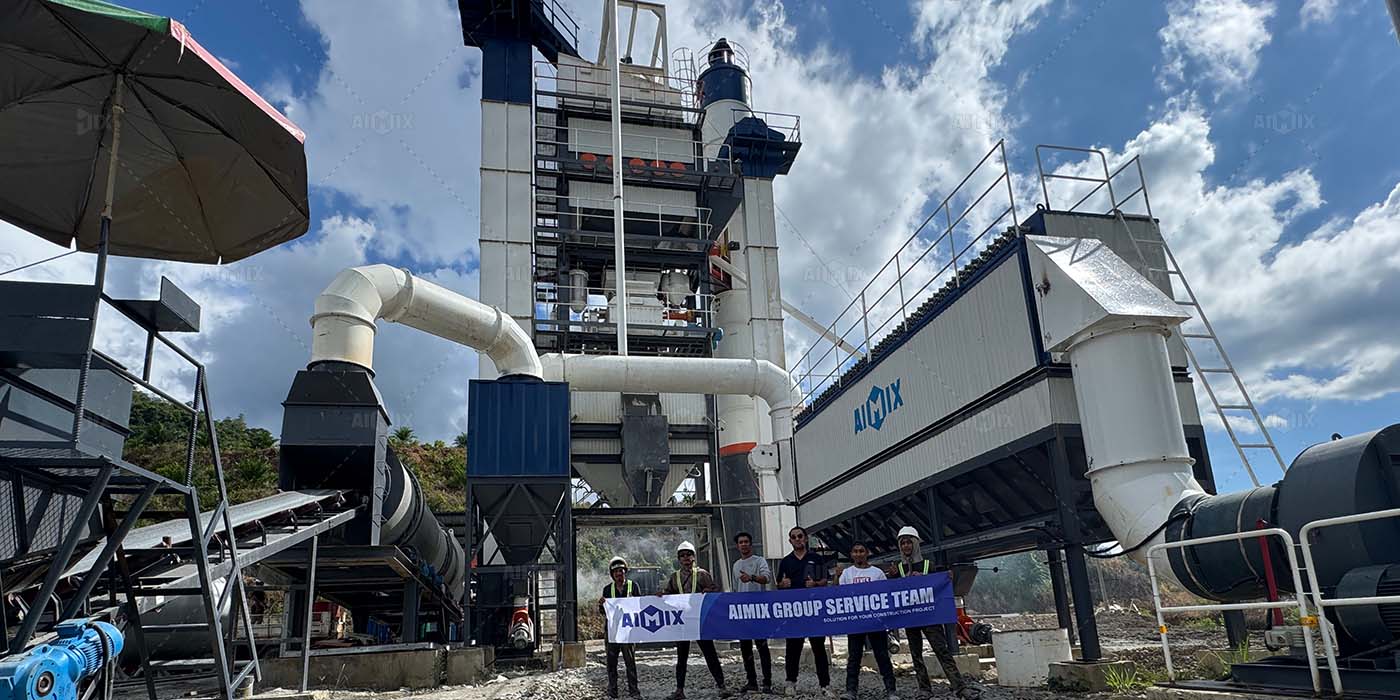
How Much Asphalt Must The Plant Produce Each Day?
The first step is to convert the weekly asphalt requirement into a daily production target. This gives contractors a clearer picture of the actual workload.
If the project requires 2,000 tons per week and the plant operates five days per week, the average daily requirement is:
2,000 tons ÷ 5 days = 400 tons per day
If the plant operates eight production hours per day, the required average output becomes:
400 tons ÷ 8 hours = 50 tons per hour
Therefore, a theoretical 50 TPH asphalt plant can meet the target under ideal operating conditions.
However, real construction projects rarely operate under ideal conditions. That is why contractors should not select a plant with exactly 50 TPH based on the calculation alone.
What Happens If The Plant Runs Fewer Hours?
Some road projects cannot operate a full eight-hour production shift every day. The contractor may have limited working hours because of traffic restrictions, local regulations, weather, or project schedules.
Suppose the plant operates only six hours per day for five days. The weekly production of a 50 TPH plant would be:
50 TPH × 6 hours × 5 days = 1,500 tons
That is 500 tons below the weekly target.
Consequently, the contractor would need either longer operating hours or a higher-capacity asphalt plant.
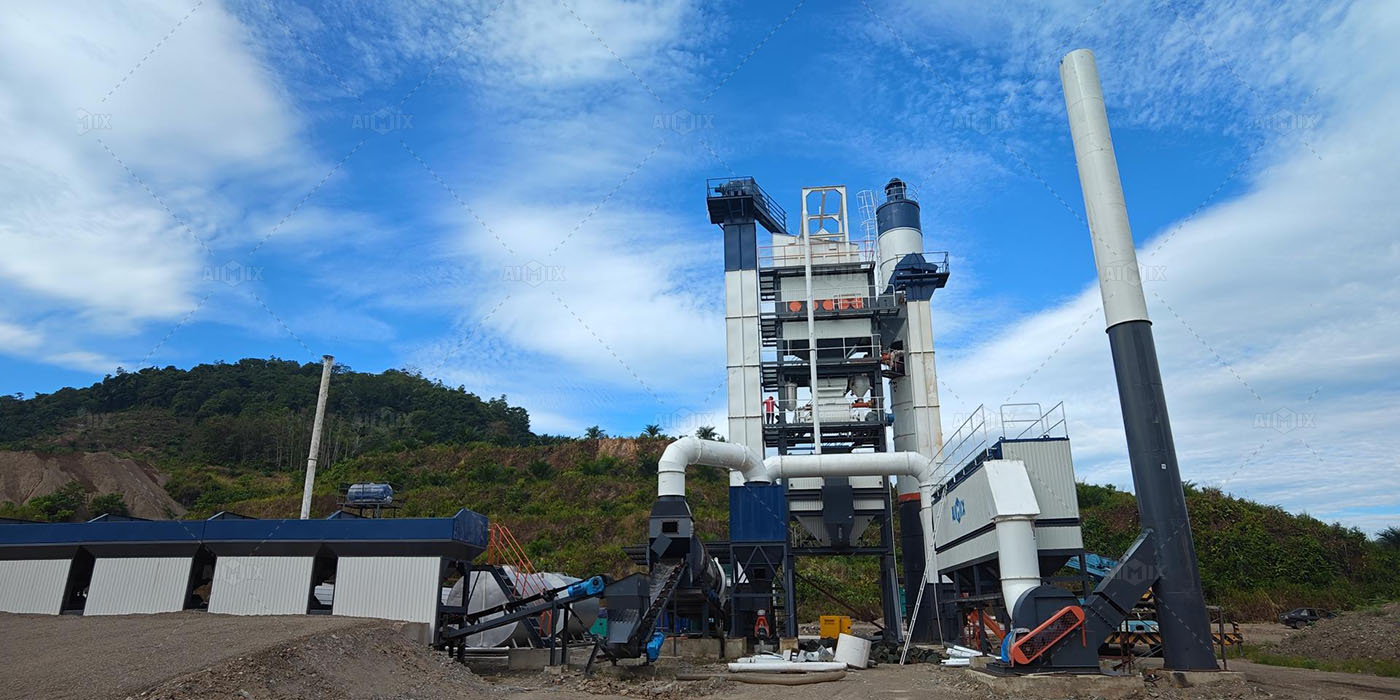
Is A 50 TPH Asphalt Plant Enough For 2,000 Tons Per Week?
A 50 TPH plant can meet 2,000 tons per week mathematically. Nevertheless, it is not always the best practical choice.
At eight production hours per day and five working days per week, a 50 TPH plant has a theoretical output of 2,000 tons. This calculation assumes continuous production at the rated capacity.
In practice, several factors reduce actual output. These factors include cold aggregate loading, burner start-up, mix changes, equipment inspection, maintenance, material shortages, and truck availability.
For this reason, contractors should distinguish between rated capacity and usable production capacity.
A plant rated at 50 TPH does not necessarily produce 50 tons every operating hour. Actual production depends on the complete plant system and site conditions.
Therefore, 50 TPH is better viewed as the theoretical minimum rather than the safest commercial choice.
When Could 50 TPH Still Make Sense?
A 50 TPH-class plant can make sense for a contractor with stable material supply and predictable production schedules.
It may also suit smaller road rehabilitation projects where the contractor can extend operating hours when necessary.
However, buyers should first confirm the plant’s actual production rate under their planned aggregate size, moisture conditions, asphalt mix, and fuel type.
If the contractor expects several projects at the same time, a larger capacity usually provides better scheduling flexibility.
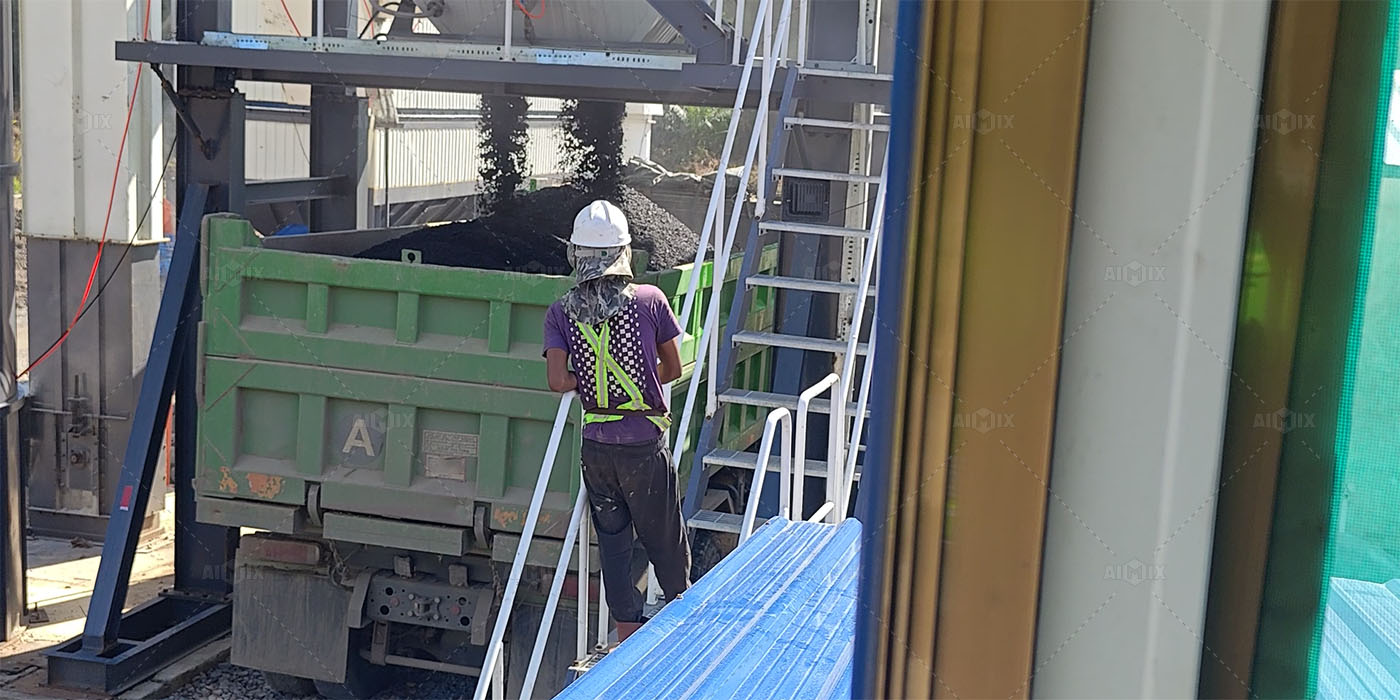
Why Is A 60 TPH Asphalt Plant A More Practical Choice?
A 60 TPH asphalt plant gives the contractor more production margin without moving too far beyond the 2,000-ton weekly requirement.
Consider a five-day working week with eight production hours per day:
60 TPH × 8 hours × 5 days = 2,400 tons per week
This gives a theoretical production margin of 400 tons per week.
That margin matters because asphalt production rarely runs at 100% efficiency throughout the entire shift.
If the contractor needs 2,000 tons from a 60 TPH plant, the required production time is:
2,000 tons ÷ 60 TPH = 33.3 production hours
Across five days, that equals about 6.7 production hours per day.
Therefore, the contractor has some time available for routine checks, material changes, loading interruptions, or other delays.
| Plant Capacity | 8 Hours/Day × 5 Days | Weekly Margin Above 2,000 Tons | Practical Assessment |
|---|---|---|---|
| 40 TPH | 1,600 tons | -400 tons | Too small for the target |
| 50 TPH | 2,000 tons | 0 tons | Theoretical minimum |
| 60 TPH | 2,400 tons | 400 tons | Practical starting point |
| 80 TPH | 3,200 tons | 1,200 tons | Better for growth and peak demand |
| 100 TPH | 4,000 tons | 2,000 tons | Suitable for larger or multiple projects |
When Should Contractors Choose An 80 TPH Asphalt Plant?
An 80 TPH asphalt plant can be a better choice when the 2,000-ton weekly requirement represents only the current workload.
For example, a contractor may currently supply 2,000 tons per week for one road project. At the same time, the company may be bidding for another highway section or urban road contract.
In this situation, buying a plant that only covers today’s demand can create a capacity bottleneck later.
In addition, contractors can consider an asphalt mixing and batching plant when they need controlled batching and greater flexibility for different asphalt mix designs.
An 80 TPH plant can theoretically produce:
80 TPH × 8 hours × 5 days = 3,200 tons per week
The contractor therefore has 1,200 tons of additional theoretical weekly capacity.
More importantly, the plant can produce 2,000 tons in only 25 production hours.
That equals approximately five production hours per day over a five-day week.
This creates more flexibility for maintenance, weather interruptions, additional mix requirements, or changing paving schedules.
80 TPH Can Also Support Peak Production
Road construction does not always follow a constant weekly production pattern.
A contractor may need 250 tons on Monday, 350 tons on Tuesday, and more than 500 tons on another day because of paving schedules.
A higher-capacity plant helps the production team respond to these peaks.
Therefore, the right question is not only, “How many tons do we need per week?”
A better question is, “How quickly must we produce those tons when the paving crew is ready?”

How Does Paving Demand Affect Asphalt Plant Capacity?
The asphalt plant and paving operation must work as one production chain.
If the plant produces asphalt faster than trucks can transport it, production may stop. Conversely, if the plant produces too slowly, the paving crew may wait for material.
Both situations increase project costs.
For example, suppose a paving crew needs 300 tons during a working shift. The contractor should consider truck cycle time, road distance, loading time, unloading time, and paving speed before setting the plant’s production target.
This is especially important for projects in remote areas.
Longer haul distances can reduce the number of truck cycles per day. In that case, the plant may need a buffer in production capacity even when the weekly asphalt volume looks modest.
Truck Availability Can Become The Real Bottleneck
A higher-capacity asphalt plant does not automatically increase project output.
The transportation system must support the plant.
If the plant produces 80 tons per hour but trucks cannot remove the asphalt quickly, the storage and loading system can become a bottleneck.
Therefore, contractors should calculate plant capacity together with truck capacity and paving demand.
This approach gives a more realistic production plan.
Should A 2,000-Ton Weekly Project Use A Batch Asphalt Plant?
For many road contractors, an asphalt batch plant can be a strong option when mix quality and recipe flexibility are important.
A batch plant produces asphalt in controlled batches. This allows the operator to adjust mix designs and manage different asphalt mixtures more easily.
That can matter when a project has different road layers or requires different aggregate gradations.
For example, one project may require base-course asphalt in the morning and a different surface mix later in the day.
A batch-type plant can support these changes through controlled weighing and mixing processes.
However, the final choice depends on the contractor’s project type, required mix, production schedule, local materials, and investment plan.
For a contractor targeting around 2,000 tons per week, a 60 TPH or 80 TPH batch asphalt plant can provide a useful balance between current demand and operational flexibility.
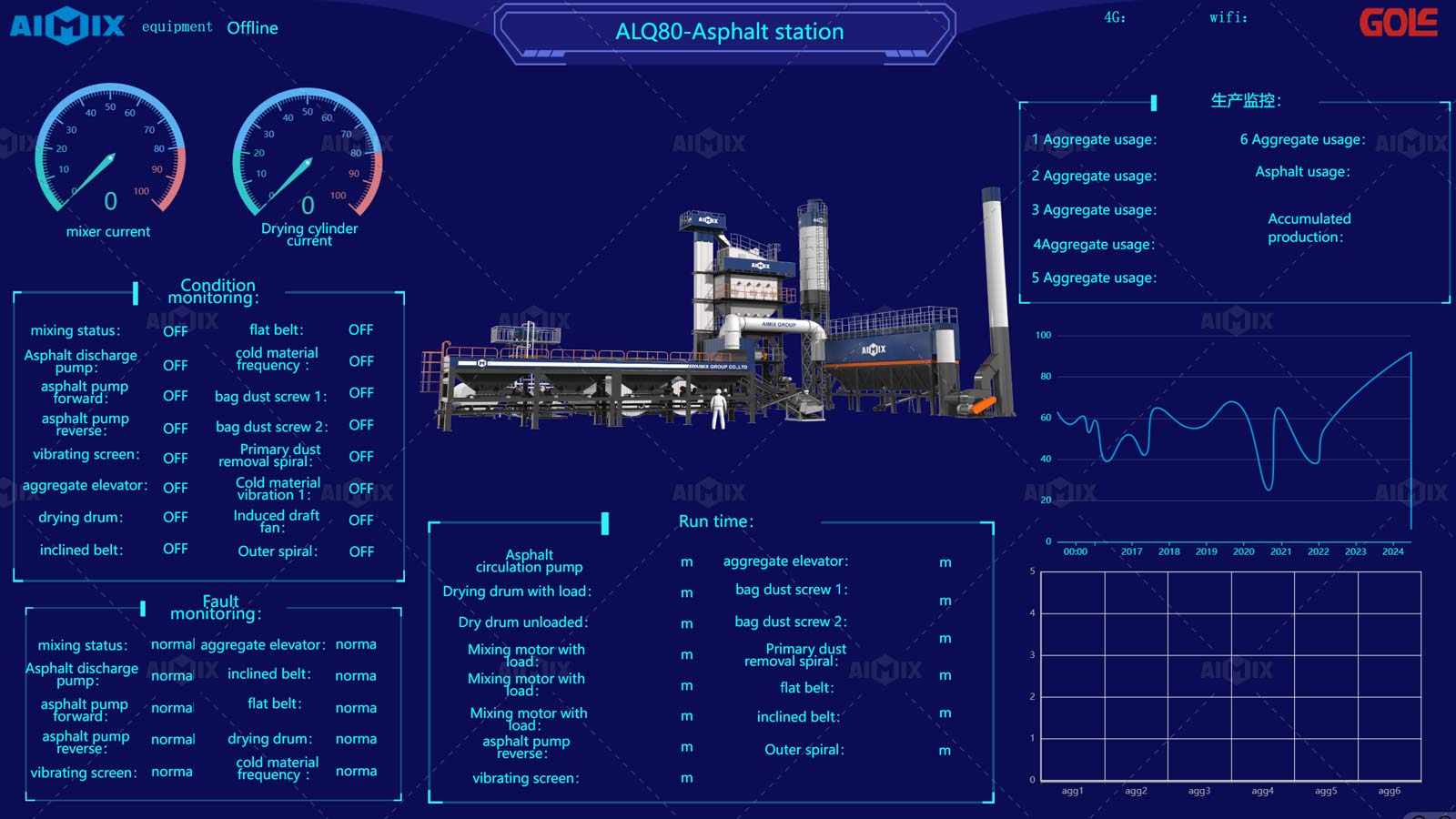
What Other Factors Should Buyers Check?
Capacity should be the starting point, not the only purchasing criterion.
Once the required TPH range is clear, contractors should evaluate the complete plant system. This step helps prevent a situation where the rated capacity looks suitable but actual project output falls short.
Aggregate Moisture
Wet aggregate can increase drying demand and fuel consumption. It can also affect actual plant output.
Therefore, buyers should provide the supplier with information about local aggregate moisture conditions.
Fuel Consumption
The burner is one of the major operating cost factors in an asphalt plant.
A small difference in fuel consumption can become significant over thousands of tons of annual production.
For this reason, buyers should compare fuel consumption under realistic operating conditions rather than looking only at the rated TPH.
Dust Collection
Dust control is another important part of plant selection.
The baghouse, fan, ducting, and related systems must match the plant’s production requirements.
Good dust collection supports cleaner operation and helps the contractor meet applicable environmental requirements.
Mixing Quality
Production volume alone does not determine asphalt quality.
The contractor should also examine aggregate weighing, asphalt weighing, mineral filler control, mixing time, temperature control, and automation.
A plant that produces the required tonnage but cannot maintain consistent mix quality can create problems at the paving site.
Maintenance And Spare Parts
Downtime directly affects weekly production.
A plant that stops for several hours can quickly lose the production margin that a contractor planned for the week.
Therefore, buyers should check access to spare parts, technical support, installation assistance, and maintenance guidance before placing an order.
How Should Contractors Calculate A Safer Plant Capacity?
A simple calculation can help contractors avoid buying a plant that is too small.
Start with the weekly demand. Then divide it by the planned production hours.
The basic formula is:
Required Plant Capacity = Weekly Asphalt Demand ÷ Weekly Production Hours
However, contractors should then add a reasonable production margin.
For a 2,000-ton weekly requirement, consider three common operating plans:
| Operating Plan | Required Average Capacity | Suggested Plant Range |
|---|---|---|
| 5 days × 8 hours | 50 TPH | 60 TPH minimum practical range |
| 5 days × 7 hours | 57.1 TPH | 60–80 TPH |
| 5 days × 6 hours | 66.7 TPH | 80 TPH preferred |
This comparison shows why working hours can change the equipment recommendation significantly.
If the contractor has only six production hours per day, a 60 TPH plant has little room for interruptions. An 80 TPH plant provides a safer operating margin.
What About Future Project Growth?
Construction companies rarely buy an asphalt plant for only one short-term project.
The equipment may operate for several years across road construction, highway rehabilitation, airport projects, industrial roads, and municipal infrastructure.
Therefore, the expected workload over the next few years should also influence capacity selection.
If the contractor expects production to remain close to 2,000 tons per week, 60 TPH can be a sensible target.
If the company expects demand to increase toward 2,500 or 3,000 tons per week, 80 TPH becomes more attractive.
If multiple large projects are likely to run simultaneously, the contractor may need to consider 100 TPH or more.
For smaller contractors or projects with limited weekly demand, a small asphalt mixing plant may also have a role. However, buyers should compare its actual output with the required 2,000-ton weekly target before choosing this route.
The goal is not to buy the largest plant available. Instead, the goal is to match capacity with realistic production demand and future business plans.
A Practical Example For A Road Contractor
Consider a contractor preparing for a road rehabilitation project.
The project requires approximately 2,000 tons of asphalt each week. The contractor plans to work five days per week and expects around seven hours of actual asphalt production per day.
The weekly production time is:
5 × 7 = 35 hours
The average required plant capacity is therefore:
2,000 ÷ 35 = 57.1 TPH
A 50 TPH plant would not provide enough capacity under this schedule.
A 60 TPH plant could theoretically produce:
60 × 35 = 2,100 tons per week
That gives only 100 tons of weekly margin.
An 80 TPH plant could produce:
80 × 35 = 2,800 tons per week
Therefore, the 80 TPH option gives the contractor much more flexibility.
This example demonstrates an important purchasing principle: plant capacity should match the actual production window, not just the weekly tonnage.
60 TPH Vs 80 TPH Asphalt Plant: Which Is Better?
For a 2,000-ton weekly requirement, both capacities can be reasonable. The better choice depends on the contractor’s operating conditions.
| Consideration | 60 TPH | 80 TPH |
|---|---|---|
| 2,000 tons/week | Suitable | Suitable |
| Short production hours | Limited margin | Better margin |
| Peak paving demand | Moderate flexibility | Higher flexibility |
| Future growth | Moderate | Better |
| Initial capacity requirement | Lower | Higher |
| Best fit | Stable 2,000-ton workload | Growing or variable workload |
In short, a 60 TPH plant is often the practical choice for a stable 2,000-ton weekly demand. An 80 TPH plant makes more sense when production time is limited or future demand is expected to increase.
How Can AIMIX Help Select The Right Asphalt Plant?
Choosing an asphalt plant should start with the project, not with a model number.
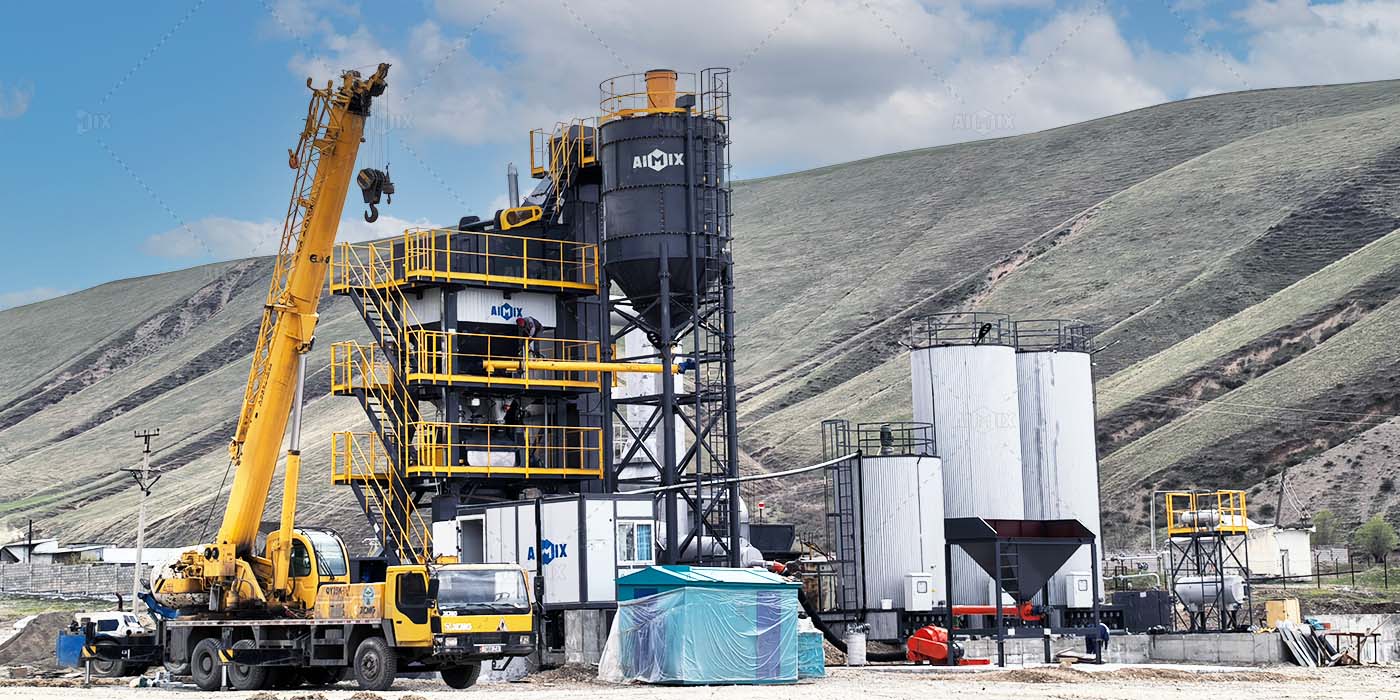
AIMIX can evaluate the expected weekly asphalt volume, daily production hours, aggregate conditions, mix requirements, project location, and transportation distance.
Based on these factors, the equipment configuration can be matched to the contractor’s actual working conditions.
For a 2,000-ton weekly target, the discussion can start with a 60 TPH plant. If the contractor has shorter production windows or expects additional projects, an 80 TPH solution may provide better flexibility.
The equipment selection should also cover the aggregate feeding system, drying and heating system, screening, weighing, mixing, dust collection, control system, and storage arrangements.
After-sales support also matters. Installation, commissioning, operator training, spare parts, and technical assistance can affect long-term plant availability.
Final Recommendation: What Capacity Matches 2,000 Tons Per Week?
So, what asphalt plant capacity matches 2,000 tons of asphalt per week?
A 50 TPH asphalt plant is the theoretical minimum when production runs for 40 hours per week.
A 60 TPH asphalt plant is generally a more practical choice for a stable 2,000-ton weekly requirement.
An 80 TPH asphalt plant is preferable when the contractor has shorter production hours, peak paving demand, transportation challenges, or plans for business growth.
The final decision should therefore consider more than weekly tonnage. Production hours, material moisture, truck cycles, paving speed, mix requirements, maintenance time, and future projects all influence the real capacity requirement.
If your project target is around 2,000 tons per week, start by calculating the actual production hours available. Then compare 60 TPH and 80 TPH options against your project schedule. This approach can help you avoid both under-capacity and unnecessary over-investment.
Need help selecting an asphalt plant for your actual project? Share your weekly asphalt demand, working hours, project location, required asphalt mix, and expected future workload. AIMIX can help evaluate the suitable capacity and configuration based on your project conditions.