Operating an asphalt plant in high-altitude regions requires more careful maintenance strategies than projects located in normal environments. Low oxygen levels, unstable temperatures, strong winds, and limited access to technical support can affect equipment efficiency and production stability. Therefore, contractors must develop specific maintenance procedures to keep the plant running reliably under demanding conditions.
For road construction projects in mountainous areas, an asphalt plant(planta de asfalto) is not only a production unit but also the core guarantee for continuous paving operations. Whether using a drum mix asphalt plant for large-scale continuous production or a batch mix asphalt plant for projects requiring flexible mixture adjustment, proper daily inspection and preventive maintenance are essential to avoid unexpected shutdowns.
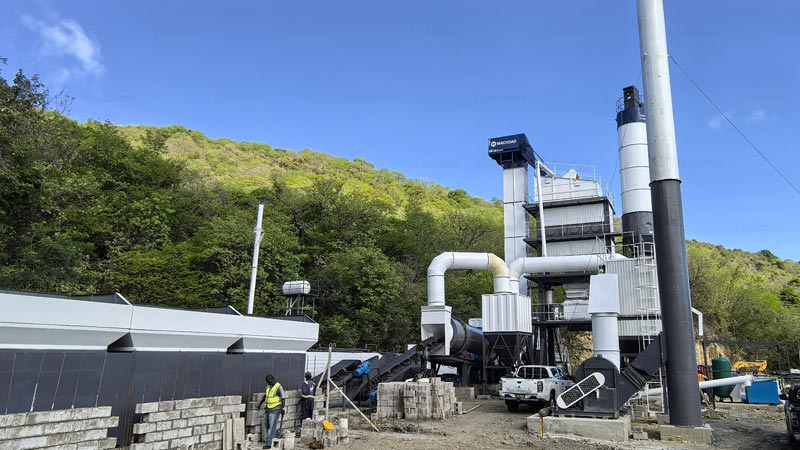
Why High-Altitude Conditions Affect Asphalt Plant Performance
The operating environment at high elevations creates several challenges for an asphalt plant. As altitude increases, air density decreases, which influences combustion efficiency, heat transfer performance, and fuel consumption. At the same time, large temperature differences between day and night can accelerate wear on mechanical and electrical components.
Reduced Oxygen and Burner System Adjustment
The burner system directly determines the drying and heating efficiency of aggregates. In high-altitude areas, insufficient oxygen may cause incomplete combustion, unstable flames, and higher fuel costs. Operators should regularly inspect burner performance and adjust the air-fuel ratio according to local altitude conditions.
- Check flame color and stability before daily production.
- Clean fuel nozzles to prevent carbon buildup.
- Monitor combustion temperature during operation.
- Adjust burner parameters when moving equipment to different elevations.
For a modern asphalt plant, intelligent control systems can help operators monitor temperature changes and identify abnormal operating conditions earlier, reducing production interruptions caused by environmental factors.
Daily Inspection Procedures for High-Altitude Asphalt Plants
A complete daily maintenance routine should include inspections before startup, during operation, and after production. These procedures help detect small problems before they develop into costly failures.
Pre-Startup Equipment Inspection
Before starting an asphalt plant, operators should check key systems including the drying drum, conveyor equipment, dust collector, electrical cabinet, and lubrication points. High-altitude construction sites usually have more dust and lower temperatures, making these inspections especially important.
| Equipment Area | Main Maintenance Tasks |
|---|---|
| Burner system | Check ignition performance, fuel supply, and combustion stability |
| Drying drum | Inspect rotation condition and internal wear |
| Conveyor system | Check belt tension, alignment, and material flow |
| Dust collection system | Clean filters and inspect airflow efficiency |
| Electrical system | Check connections and prevent moisture damage |
Maintenance During Production
During daily operation, operators should continuously monitor production parameters such as aggregate temperature, asphalt temperature, fuel consumption, and material feeding speed. Any abnormal vibration or unusual noise may indicate problems with bearings, motors, or transmission systems.
For a drum mix asphalt plant(planta de asfalto de tambor) operating in high-altitude areas, special attention should be given to the drying drum and continuous feeding system. Because production depends on stable material flow, even small changes in moisture content or heating efficiency can influence final asphalt quality.
A batch mix asphalt plant requires another type of maintenance focus. Since each production cycle depends on accurate weighing and mixing, operators should frequently inspect weighing sensors, mixing blades, and discharge systems to maintain mixture consistency.
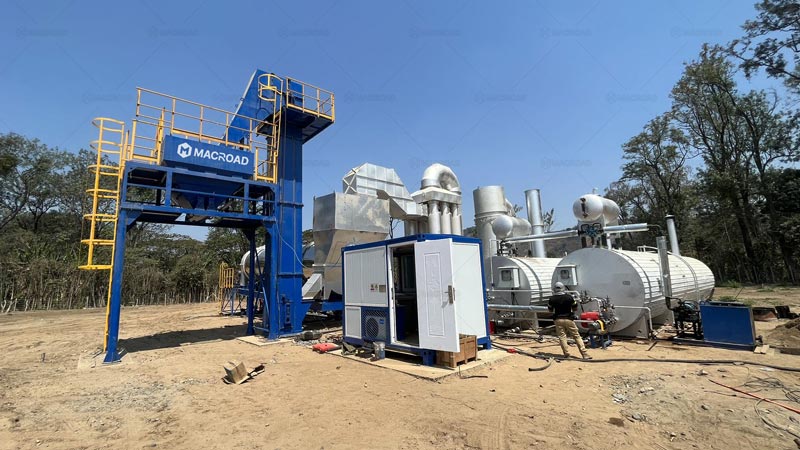
Key Maintenance Requirements for Mechanical Components
Lubrication Management in Cold Mountain Areas
Low temperatures in high-altitude regions can increase oil viscosity and reduce lubrication efficiency. Incorrect lubrication may accelerate wear on bearings, gears, and rotating components inside an asphalt plant.
- Use lubricants suitable for low-temperature environments.
- Increase lubrication frequency during winter operation.
- Prevent dust from entering lubrication points.
- Record lubrication schedules for critical components.
Dust Collector and Filter Maintenance
Mountain construction areas often experience dry conditions with high dust concentration. The dust collection system of an asphalt plant must remain efficient to maintain production performance and meet environmental standards.
Operators should regularly clean filter bags, inspect induced draft fans, and check pipelines for blockage. A damaged filtration system can increase energy consumption and reduce the overall efficiency of asphalt production.
How Asphalt Production Maintenance Influences Paving Quality
Stable asphalt production directly affects the quality and efficiency of road construction. When an asphalt plant operates in remote high-altitude areas, equipment downtime can significantly delay projects because transportation of technicians and replacement parts may require more time.
The connection between asphalt production and paving equipment should also be considered during maintenance planning. Understanding the parts of an asphalt paver(partes de una pavimentadora de asfalto), including the screed system, conveyor mechanism, and hydraulic components, helps contractors maintain proper coordination between asphalt supply and paving operations.
Preparing Spare Parts for High-Altitude Projects
Because remote mountain projects often face longer logistics cycles, contractors should prepare commonly used spare parts in advance. These may include filter bags, belts, bearings, sensors, and electrical components.
A reliable spare parts inventory allows an asphalt plant to recover quickly after minor failures and reduces the risk of long production interruptions. This is particularly important for large infrastructure projects where paving schedules are tightly controlled.
Creating a Long-Term Maintenance Strategy
Daily maintenance is the foundation of reliable asphalt production in high-altitude environments, but long-term planning is equally important. Contractors should combine daily inspections with weekly and monthly maintenance programs to evaluate equipment wear, fuel efficiency, and component performance.
For companies operating both drum mix asphalt plant and batch mix asphalt plant(planta de asfalto discontinua) systems in different regions, maintenance standards should be adjusted according to altitude, climate, and production requirements. A customized maintenance strategy can improve equipment lifespan, reduce operating costs, and ensure consistent asphalt supply for challenging road construction projects.
By focusing on burner adjustment, lubrication control, dust management, spare parts preparation, and regular equipment inspection, an asphalt plant can maintain stable operation even in high-altitude areas. These practices help contractors improve productivity and complete mountain infrastructure projects with fewer delays and lower maintenance risks.