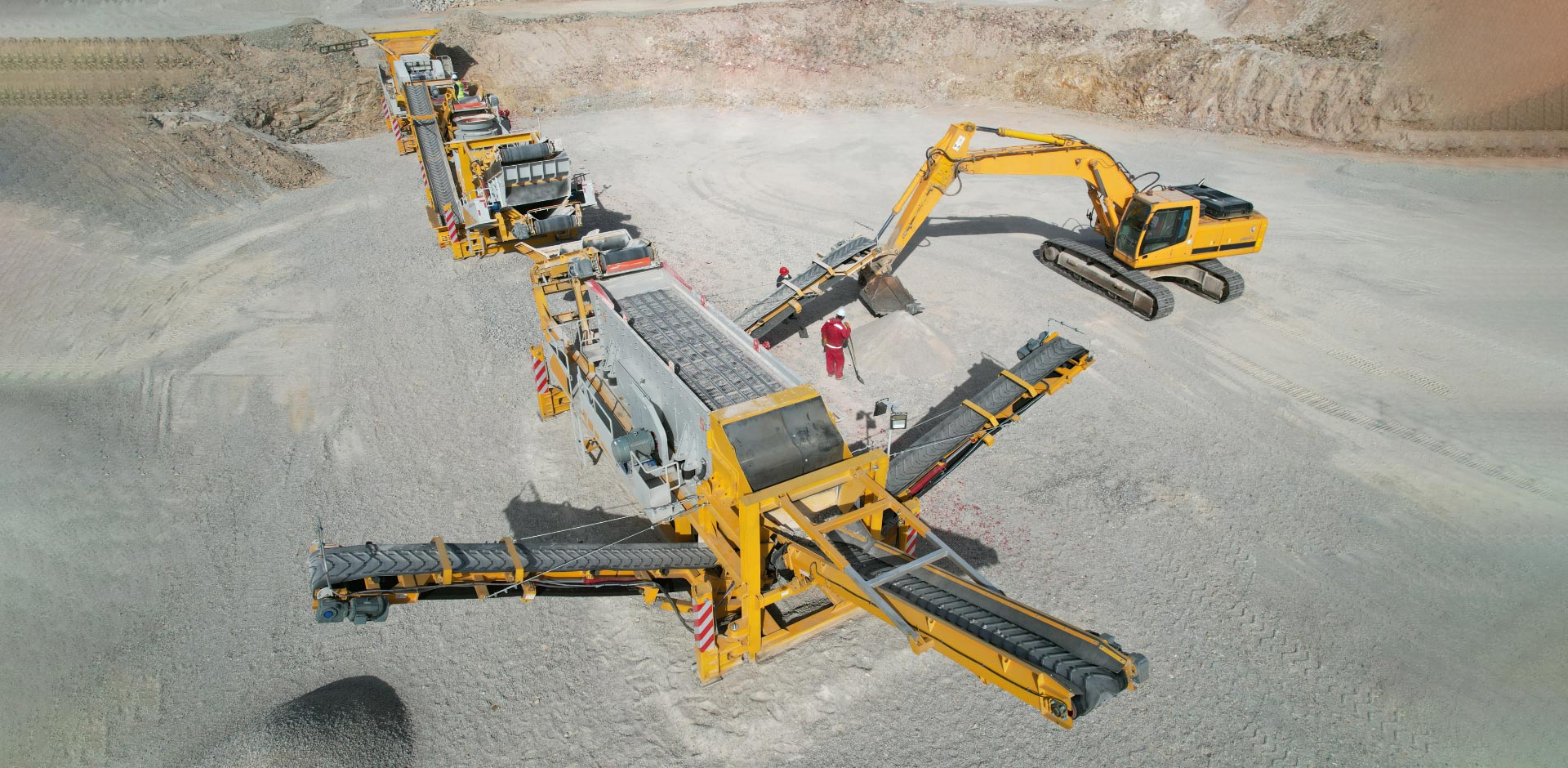
The Andes Mountains, stretching along the western edge of South America, represent one of the most formidable natural barriers on the planet. For the mining and construction industries, this region is a land of paradox: it holds some of the world’s richest mineral deposits, yet its geography presents unparalleled operational challenges. In high-altitude environments like those found in Peru and Chile, the “standard” approach to mineral processing is rarely sufficient. Instead, the complex terrain dictates a shift toward the portable stone crusher(trituradora de piedra portátil), a solution that prioritizes flexibility, durability, and compact power over traditional stationary setups.
The Geographic Imperative: Why Mobility is Non-Negotiable
The primary factor influencing equipment selection in the Andes is the sheer verticality of the landscape. Unlike the flat plains of the Australian outback or the rolling hills of Europe, the Andes feature sharp inclines, narrow ridges, and hairpin turns. For operators of stone crusher plants in Peru, moving equipment to a site often involves navigating roads that were never designed for oversized loads.
Stationary plants require massive concrete foundations and a permanent footprint. In a landscape prone to seismic activity and landslides, building such structures is both risky and prohibitively expensive. A portable stone crusher, however, can be transported in modules or driven on its own tracks. This mobility allows companies to bring the plant directly to the rock face, significantly reducing the distance that haul trucks must travel on dangerous mountain slopes. By minimizing internal transport, firms can drastically lower their operational risks and fuel consumption.

The “Thin Air” Factor: Altitude and Engine Selection
In the high-altitude mining sectors of the Andes, often exceeding 4,000 meters above sea level, the atmosphere contains significantly less oxygen. This has a direct impact on the internal combustion engines that power a gravel crusher. Standard engines often experience “derating,” where they lose power because the fuel-to-air ratio is imbalanced.
Advanced Power Units for High Elevations
When selecting a stone crusher plant Chile operators must ensure the machinery is equipped with high-altitude kits. These include:
- Turbocharged Engines: To force more air into the combustion chamber, compensating for the low atmospheric pressure.
- Electronic Control Units (ECU): Modern systems that automatically adjust fuel injection based on ambient pressure sensors.
- Enhanced Cooling Systems: Thin air is a poor heat conductor. Therefore, mobile plants in the Andes require oversized radiators and high-velocity fans to prevent the engine and hydraulic systems from overheating during continuous 24-hour shifts.
Geological Challenges: Crushing the Hardest Rock
The Andean range is the result of intense tectonic activity, resulting in a complex mix of volcanic and metamorphic rock. The material is often exceptionally hard and abrasive, containing high percentages of silica and basalt. This geological reality dictates the type of crushing technology integrated into the mobile plant.
Primary vs. Secondary Crushing Strategies
For primary crushing, the heavy-duty jaw crusher is the preferred choice for a stone crusher plant in Peru(plantas chancadoras de piedra Perú). These machines provide the necessary “squeeze” to break down large, hard boulders into manageable sizes. However, for secondary and tertiary stages, the selection shifts toward cone crushers. A high-quality gravel crusher configured as a cone plant is essential for producing the fine, cubical aggregates required for high-strength concrete used in mountain infrastructure, such as dams and tunnels.
Maintenance and Reliability in Remote Isolation
In the Andes, the “nearest town” might be an eight-hour drive away. This isolation makes maintenance the most critical factor in the selection process. If a stone crusher plant Chile(Si una planta chancadora de piedra Chile) breaks down, the cost of downtime is exacerbated by the difficulty of getting spare parts and specialized technicians to the site.
Consequently, the complex terrain favors mobile plants with simplified mechanical designs. Many operators choose hydraulic-driven systems over complex electronic ones because hydraulics are more resilient to the extreme temperature swings—from freezing nights to intense daytime sun—typical of the Altiplano. Furthermore, the selection process prioritizes brands with local service networks in South America, ensuring that even in remote regions, support is accessible.
Environmental and Social Responsibility
Modern mining in the Andes is under intense environmental scrutiny. The selection of a portable stone crusher is now also influenced by its ecological footprint. Dust control is paramount, as mountain winds can carry fine particles over large distances, affecting local glaciers and water sources.
Many of the top-tier stone crusher plants in Peru now feature integrated dust suppression sprays and covered conveyor belts. Additionally, there is a growing trend toward “hybrid” mobile plants. These units can run on electricity when a local grid is available or on an onboard diesel generator when in remote areas. This flexibility not only reduces emissions but also aligns with the sustainability goals of modern Chilean and Peruvian mining regulations.
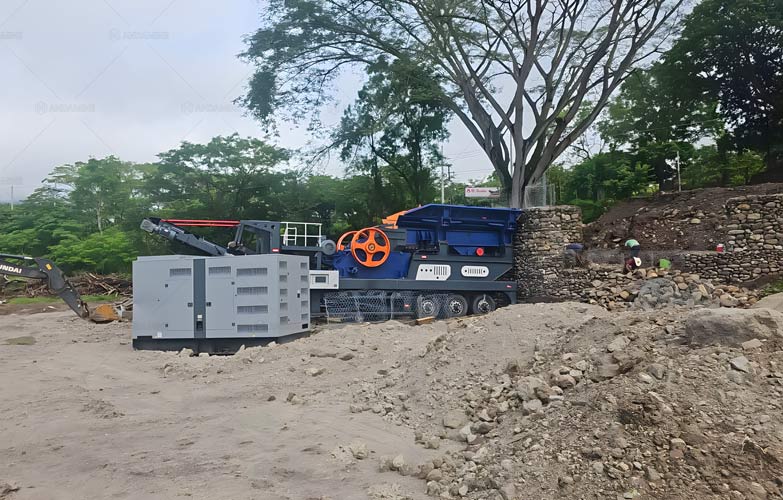
Conclusion: Engineering for the Peaks
The Andes Mountains do not forgive engineering mistakes. The selection of a mobile crushing plant in this region is a delicate balance of mechanical brawn and logistical intelligence. By opting for a portable stone crusher that is specifically adapted for high-altitude performance, abrasive rock handling, and remote reliability, operators can turn the challenges of the terrain into a competitive advantage. As the demand for minerals continues to grow, the evolution of the gravel crusher(la trituradora de grava) will remain central to unlocking the vast potential hidden within the peaks of the Andes.