The stationary concrete pump is a remarkable machine. It can push concrete hundreds of meters horizontally and dozens of stories vertically. Yet its performance depends entirely on the pipeline that connects it to the pour point. A poorly planned pipeline will plug, leak, or burst. A well-planned pipeline will deliver concrete smoothly, hour after hour. The difference is planning. This article argues that pipeline planning is not an afterthought. It is a core competency. Contractors who invest time in pipeline design will experience fewer stoppages, longer concrete pumping equipment life, and lower labour costs. Those who treat the pipeline as an accessory will struggle. The caring argument is that your crew’s safety and your project’s schedule depend on the pipeline. Treat it with respect.
Pipeline Layout Fundamentals
Minimizing Horizontal Length and Bends
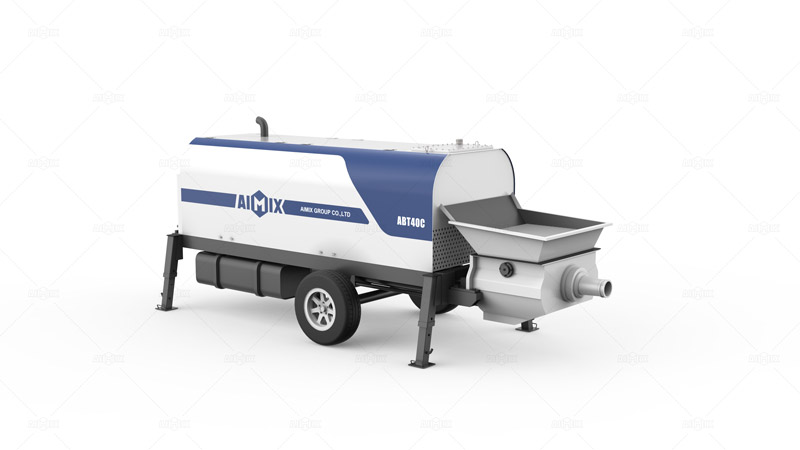
Every meter of pipeline increases friction. Every bend increases resistance. The pump must work harder to overcome these forces. The result is slower placement, higher pressure, and increased wear on the pump’s concrete cylinders and S-tube. The first principle of pipeline planning is to minimise both horizontal length and the number of bends. The concrete trailer pump for sale should be positioned as close to the building as site conditions allow. A horizontal run of 50 meters is acceptable. A horizontal run of 200 meters will require a larger pump or a slower placement rate. Bends should be swept, not sharp. A 90-degree bend with a 500mm radius creates less resistance than a 90-degree bend with a 200mm radius. The caring advice is to walk the pipeline route before laying a single section. Look for opportunities to shorten the run. Look for opportunities to reduce bends. Each eliminated meter or bend reduces wear and improves reliability.
Vertical Placement and Pipe Support
Vertical runs present their own challenges. Concrete in a vertical pipeline exerts a downward force on the pump. When the pump stops, the concrete column can settle back into the pump. This reverse flow can damage the S-tube and cause blockages. The solution is a shut-off valve or a “slide pipe” at the base of the vertical run. The valve closes when the pump stops, holding the concrete column in place. The valve opens when the pump restarts. The caring advice is to install this valve on any vertical run exceeding 20 meters. The cost is modest. The protection it provides is significant.
Vertical pipelines also require secure anchoring. A pipe carrying concrete under pressure is heavy. It will move. It will stress couplings. It may burst. The caring advice is to anchor the vertical pipeline to the building structure at intervals of 5 to 10 meters. Use purpose-built pipe clamps. Do not use wire or rope. The anchors prevent movement. They also absorb the dynamic forces of the pump’s pressure pulses. Your crew’s safety depends on these anchors. Do not compromise.
Coupling Selection and Maintenance
Wedge Couplings vs. Flange Couplings
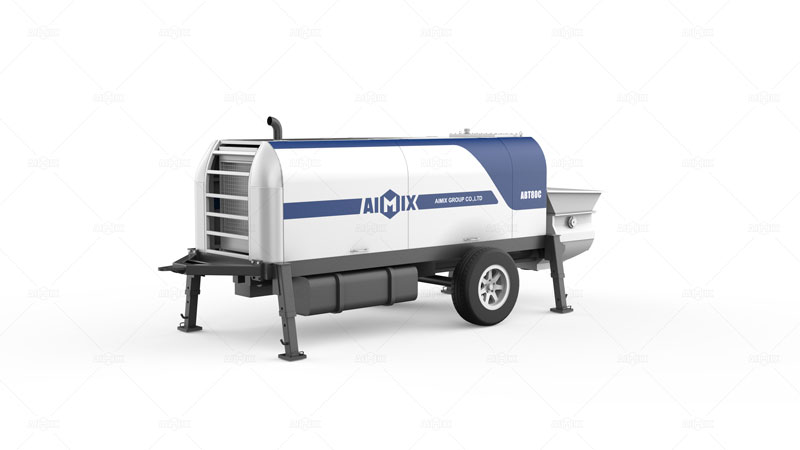
Pipeline couplings connect individual pipe sections. Two types dominate the market. Wedge couplings use a rubber seal and a wedge-shaped clamping ring. They are quick to assemble. They are also prone to leaking if not maintained. Flange couplings use bolted flanges with a gasket. They are slower to assemble. They are more reliable under high pressure. The caring argument is that flange couplings are the better choice for stationary concrete pumps operating above 50 bar. The initial cost is higher. The maintenance cost is lower. The risk of a catastrophic blowout is much lower. For contractors prioritising safety and uptime, flanges are worth the premium.
Seal Inspection and Replacement Schedule
Coupling seals wear. They harden. They crack. A failed seal leaks concrete paste. The leak may be small at first. It will grow. The caring advice is to inspect all seals weekly. Look for hardening, cracking, or paste residue around the coupling. Replace any seal that shows wear. Keep a stock of spare seals in your site container. The cost of a seal is a few dollars. The cost of cleaning up a burst pipeline is hundreds. The cost of a project delay is thousands. Replace seals proactively. Do not wait for failure.
Placement Strategies for Different Concrete Types
High Slump Mixes and Their Challenges
High slump concrete is fluid. It passes through pipelines easily. It also segregates easily. The coarse aggregate sinks. The paste rises. The result is uneven concrete at the discharge end. The caring advice is to reduce pumping pressure when placing high slump mixes. Lower pressure reduces segregation. Reduce the pumping speed. Keep the pipeline full. Do not allow the pump to suck air. Air in the pipeline will cause the concrete to separate. The operator must coordinate with the placement crew. The crew must signal when they are ready for more concrete. The mini concrete pump must not run dry. This requires communication. Use two-way radios. Do not rely on shouting.
Low Slump Mixes and Pumpability Limits
Low slump concrete is stiff. It resists flow. It may require higher pressure to pump. The caring argument is that every concrete mix has a pumpability limit. Test the mix before full-scale pumping. Run a sample through a short pipeline. Measure the pressure. If the pressure exceeds the pump’s rating, the mix must be modified. Adding a plasticiser is the most common solution. Plasticisers increase slump without adding water. They preserve strength while improving flow. Do not add water. Adding water reduces strength. It may cause the concrete to fail specification. Work with your concrete supplier. Find a mix that meets both strength and pumpability requirements. The testing takes time. It is time well spent.
The caring conclusion is that pipeline planning and placement strategies are not technical details. They are the difference between a successful pour and a messy, dangerous failure. Minimise horizontal length and bends. Anchor vertical runs securely. Choose flanged couplings. Inspect seals weekly. Match pumping strategy to concrete type. Test low slump mixes before full-scale pumping. Your crew will work more safely. Your pump will last longer. Your concrete will be placed faster. That is the goal. That is good planning.