Urban road resurfacing in Vietnam often comes with tight schedules, fluctuating labor availability, and pressure to control costs. Contractors are constantly looking for ways to optimize operations without compromising quality. One solution gaining traction is the use of a 100 TPH asphalt plant equipment. This article explores how such a plant can impact labor costs, project efficiency, and overall productivity for a 3-month urban resurfacing project in Vietnam.
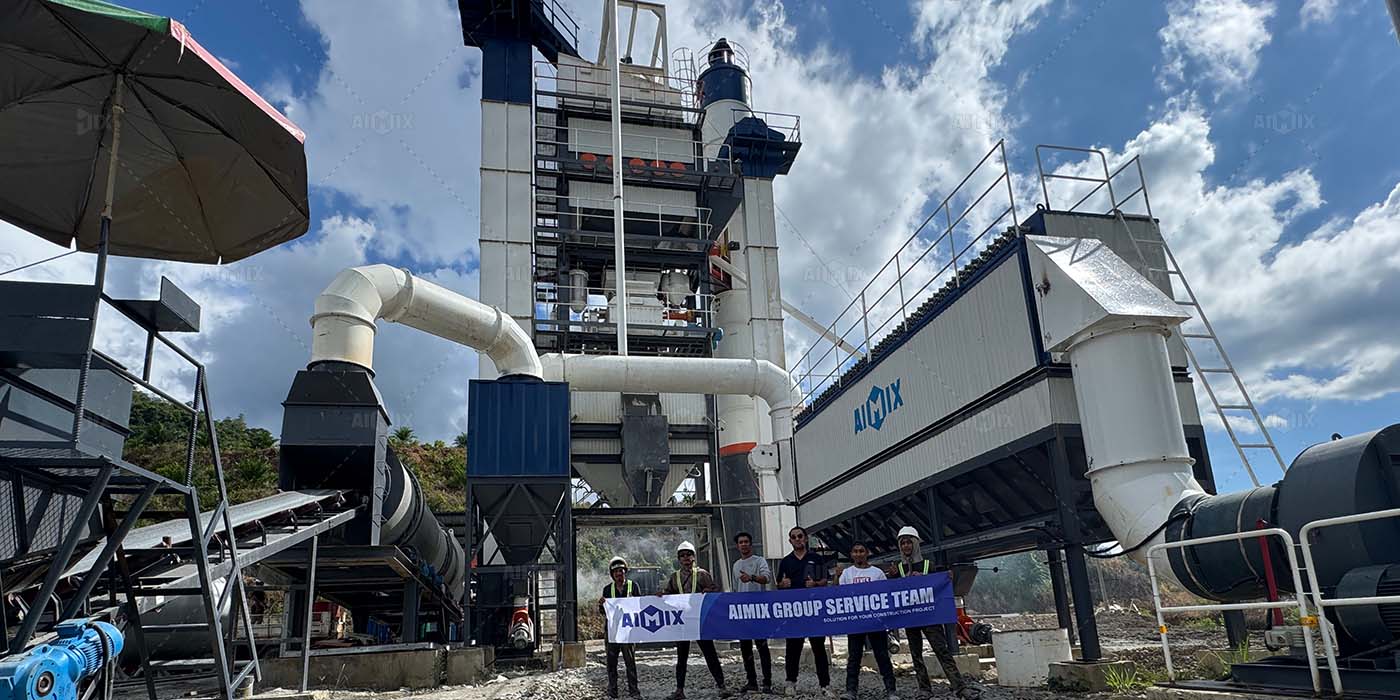
Understanding the Labor Challenges in Urban Resurfacing
Before evaluating the benefits of a 100 TPH asphalt mixer plant, it is crucial to understand the labor challenges that contractors face in urban resurfacing projects. Urban areas often have limited space, traffic disruptions, and strict working hours. Labor shortages, high turnover, and rising wages further complicate the scenario.
As a result, many projects experience delays and increased operational costs. Contractors must find solutions that can minimize manual handling, reduce dependence on large crews, and improve workflow efficiency. Working with a reliable asphalt plant supplier can help ensure access to equipment that meets these needs.
How a 100 TPH Asphalt Mixer Plant Works
A 100 TPH asphalt mixer plant produces 100 tons of hot mix asphalt per hour, allowing contractors to maintain a continuous supply of material directly on-site or nearby. These plants typically include:
- Aggregate feeding and drying systems
- Asphalt mixing drum or batch mixer
- Bitumen storage and heating units
- Conveying and storage silos
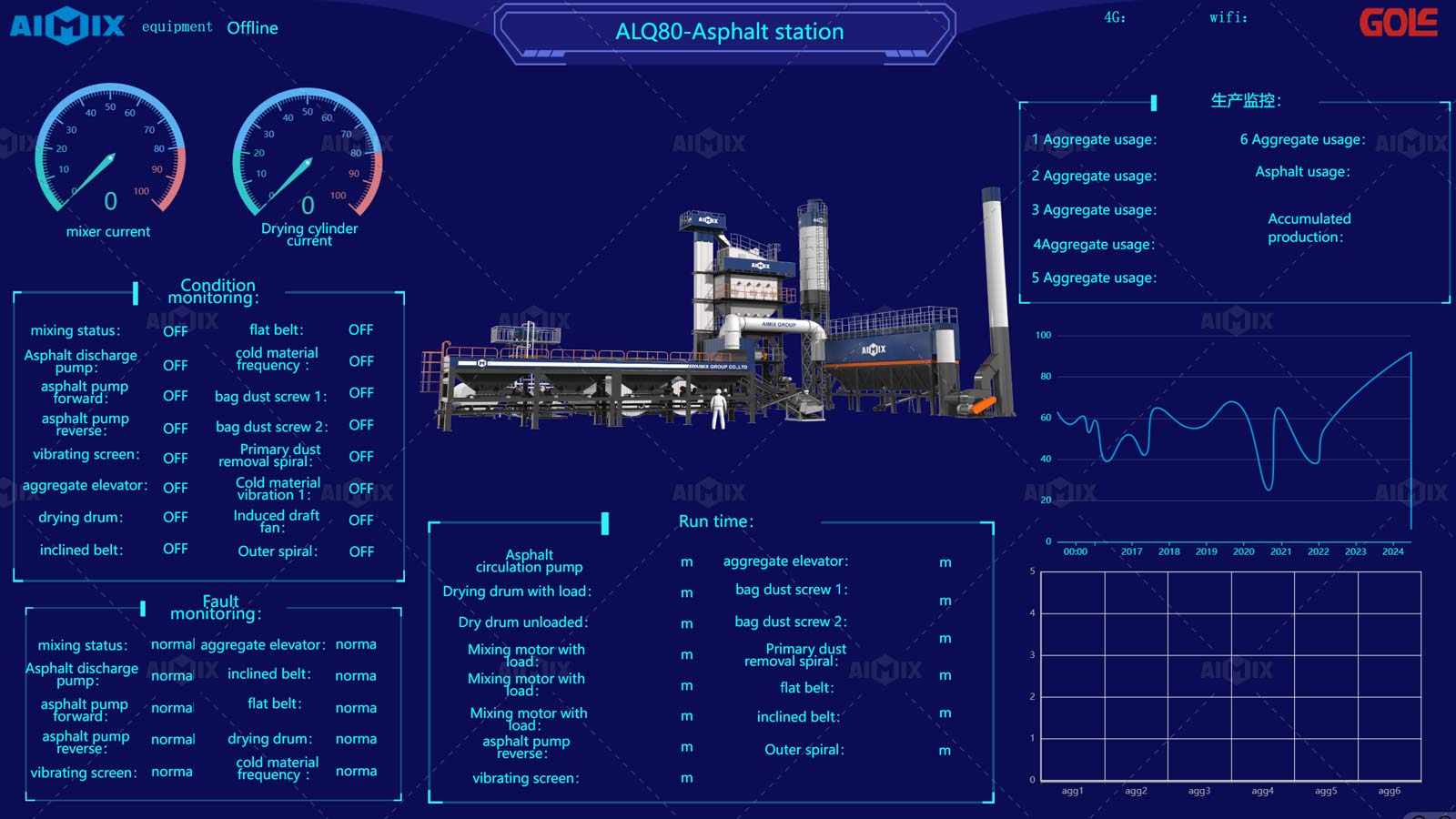
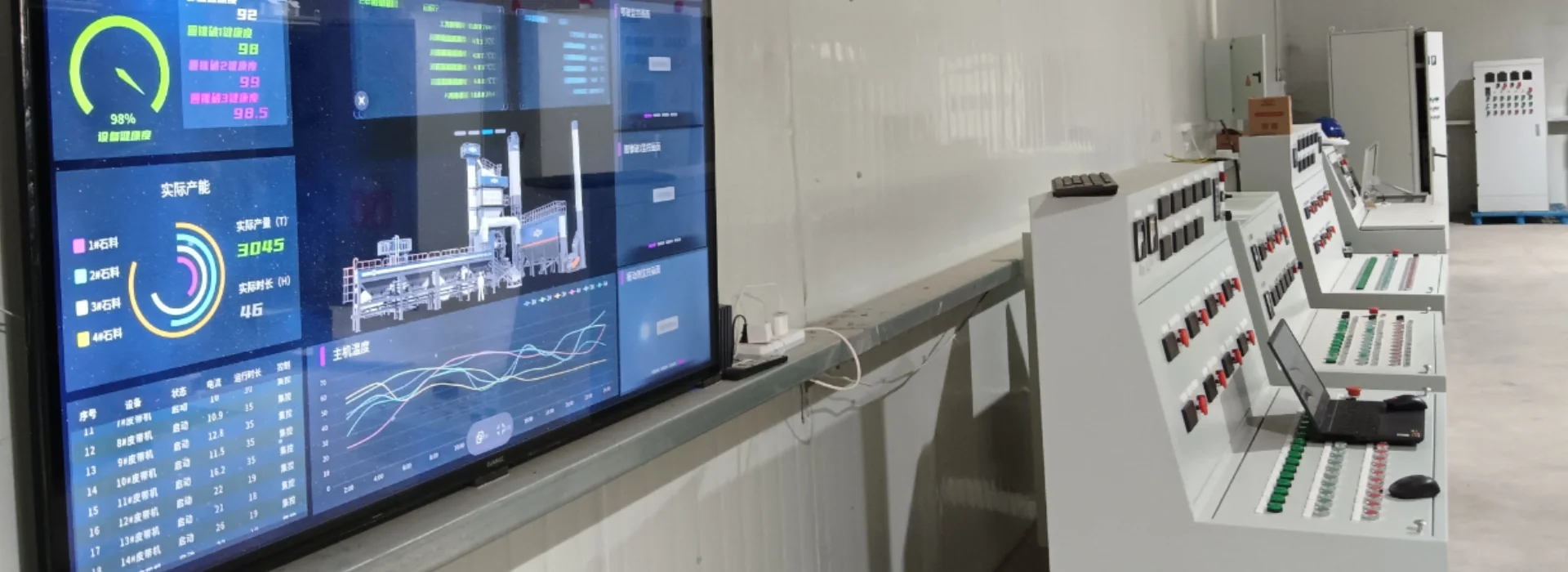
By integrating these components, the plant automates most of the mixing and handling processes, which traditionally required manual labor. Consequently, contractors can allocate their workforce to more critical tasks on-site rather than repetitive material handling.
Reducing Manual Handling
Traditional asphalt projects require laborers to transport aggregates, mix by hand, or operate multiple small mixers. This method is labor-intensive and time-consuming. A 100 TPH plant automates feeding, heating, and mixing, reducing manual labor requirements by up to 50% in a typical 3-month urban resurfacing project. Less manual handling not only lowers costs but also minimizes fatigue and the risk of errors. Using an AMP hotmix system ensures consistent quality while simplifying labor needs.
Optimizing Crew Allocation
With a reliable asphalt supply, project managers can reassign labor to paving, compaction, and quality control, where skilled workers add more value. This strategic allocation improves workflow efficiency, accelerates project timelines, and ultimately reduces total labor hours. In dense urban areas like Ho Chi Minh City or Hanoi, this optimization helps manage traffic and minimizes disruptions to residents.
Time Efficiency and Continuous Production
One of the most significant advantages of a 100 TPH asphalt mixer plant is continuous production. Unlike smaller or mobile mixers that require frequent stops and refills, a high-capacity plant maintains a steady output of hot mix asphalt.
Meeting Tight Project Deadlines
For a 3-month resurfacing project, meeting deadlines is critical to avoid penalties and maintain reputation. Continuous production ensures paving crews never wait for material, reducing idle time and labor costs associated with delays.
Minimizing Setup and Transition Delays
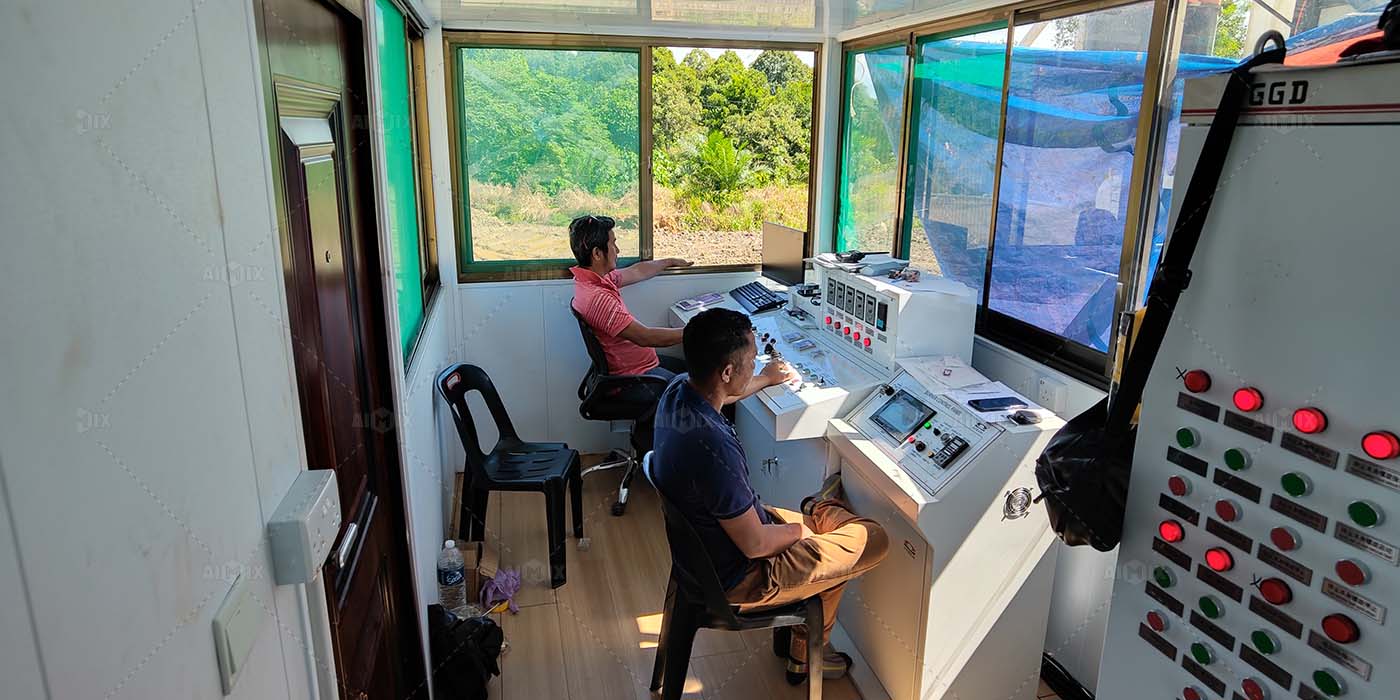
Modern 100 TPH plants are designed for quick setup and modular transport. Contractors can move or reassemble the plant close to work sites with minimal downtime. Using a asphalt batching plant provides flexibility to position the plant strategically, eliminating extended labor hours needed for repeated setups.
Cost Implications Beyond Labor
While labor cost reduction is a key consideration, a 100 TPH asphalt mixer plant also affects other operational expenses. Bulk production reduces fuel consumption per ton of asphalt compared to multiple smaller mixers. Furthermore, the plant’s efficiency lowers material waste and the need for overtime labor.
Energy and Fuel Savings
High-capacity plants use energy-efficient burners and optimized drum designs, which reduce fuel usage. This directly decreases the operational cost per ton of asphalt, making the project more cost-effective over three months.
Minimizing Material Waste
Accurate batch control and automated feeding reduce errors and inconsistent mixes, which are common with manual or smaller mixing setups. Fewer errors mean fewer reworks, saving labor hours and material costs.
Practical Considerations for Vietnamese Urban Projects
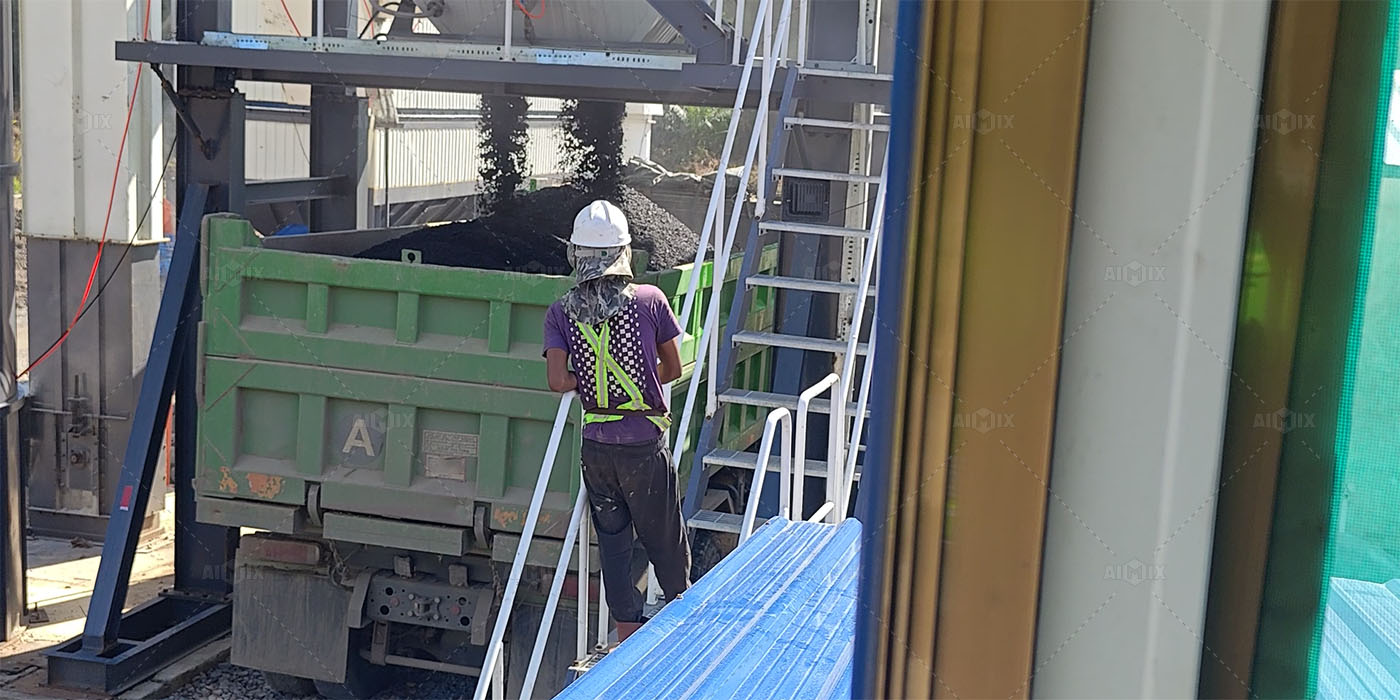
Contractors in Vietnam must consider local factors such as climate, road traffic, and urban space limitations. High humidity and frequent rain during the rainy season can affect asphalt temperature and work schedules. A 100 TPH plant mitigates these challenges by providing a stable, high-temperature asphalt supply for continuous paving.
Site Space and Urban Constraints
Despite being high-capacity, modern plants occupy relatively compact footprints and can operate in limited urban spaces. Proper planning allows contractors to position the plant near work zones, reducing hauling distances and labor requirements.
Skilled Operators vs. General Labor
While the plant reduces general labor, it requires skilled operators for optimal performance. Investing in operator training ensures maximum efficiency, further enhancing cost savings and reducing mistakes that would require additional labor to correct.
Case Example: 3-Month Urban Resurfacing in Ho Chi Minh City
Consider a typical 3-month project resurfacing 10 km of urban roads. Using traditional small mixers, the project might need 25–30 laborers working in shifts, with frequent delays due to limited mix availability. Implementing a 100 TPH plant allows the same project to operate with only 12–15 laborers, focusing on paving and compaction. Production remains steady at 100 tons per hour, meeting daily paving targets without interruptions.
The result is a reduction in labor costs by approximately 40–50%, faster project completion, and minimized risks associated with traffic congestion and weather delays.
Maximizing ROI with a 100 TPH Asphalt Mixer Plant
Investing in a 100 TPH plant offers tangible benefits beyond immediate labor savings. Contractors can achieve:
- Lower overall operational costs
- Faster project completion with minimal delays
- Higher paving quality due to consistent material supply
- Flexibility to handle multiple short-term urban projects consecutively
Given these advantages, the plant pays for itself within a few projects, especially when compared to repeated hiring of large labor crews or renting multiple small mixers.
Conclusion: Strategic Investment for Urban Resurfacing
For contractors tackling 3-month urban resurfacing projects in Vietnam, a 100 TPH asphalt mixer plant is not just a machinery upgrade; it is a strategic investment. By reducing labor dependence, minimizing delays, and optimizing production, it allows projects to finish on time and under budget. Contractors gain greater control over costs, improve paving quality, and enhance operational efficiency.
If your goal is to reduce labor costs, streamline urban resurfacing projects, and improve overall profitability, a 100 TPH asphalt mixer plant is a practical and effective solution. Assess your project needs, consider plant mobility, and train skilled operators to maximize ROI.
Take the next step today: explore high-capacity asphalt mixer options and see how they can transform your urban resurfacing projects in Vietnam.