Comparing a stationary asphalt batching plant against a mobile asphalt batching plant within the same industrial asphalt mixing plant for sale listing requires procurement managers to evaluate two fundamentally different value propositions rather than two versions of the same equipment. A stationary configuration delivers mixture grading accuracy through structural permanence and screening system depth that highway construction specification demands. A mobile configuration delivers setup capital reduction through foundationless self-erecting chassis geometry that multi-site deployment economics justify. The configuration choice is not a quality-versus-cost trade-off — it is a project logistics question whose correct answer depends on site permanence, contract duration, and the grading tolerance regime the highway construction authority enforces.
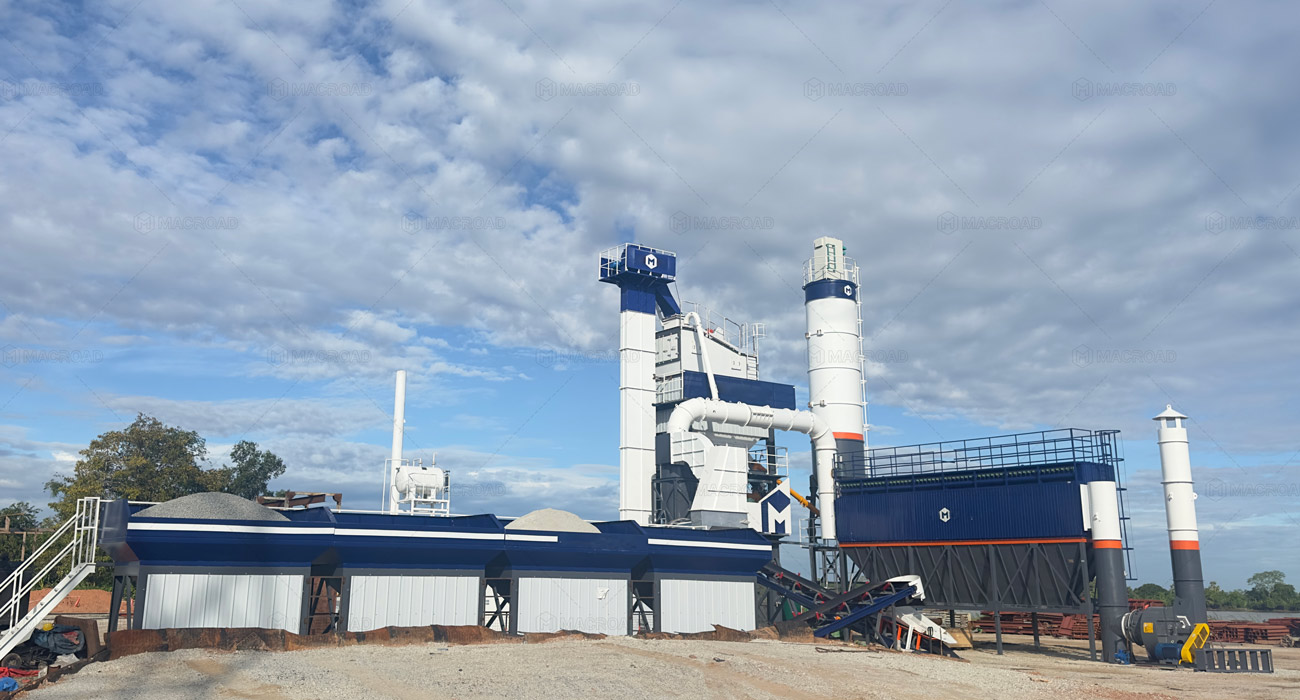
How Stationary Asphalt Batching Plant Architecture Optimizes Highway Construction Grading Accuracy
A premium stationary asphalt batching plant achieves highway construction grading accuracy through screening tower architecture whose structural rigidity, deck count, and vibration drive specification operate without the dimensional and weight constraints that mobile chassis compliance imposes. Multi-deck screen assemblies mounted on a permanent steel tower frame maintain aperture geometry under sustained production vibration loads that would progressively deform lighter mobile tower structures — preserving the fraction separation precision that highway construction aggregate grading tolerances require across extended production campaigns that a single infrastructure project generates.
Hot bin capacity in a stationary asphalt batching plant scales against weigh hopper cycle demand without transport weight restriction, ensuring adequate fraction inventory for continuous batch production at peak throughput without bin starvation events that reduce actual output below rated capacity. The foundation that a stationary asphalt batching plant requires — a cost that mobile configurations eliminate — simultaneously provides the structural damping that isolates screening vibration from the mix tower structure, protecting weigh hopper load cell calibration accuracy that dynamic vibration transmission from an inadequately damped structure would progressively compromise.
Highway construction projects that specify polymer-modified wearing courses alongside standard base course production benefit from stationary configuration bitumen circuit architecture that accommodates multiple binder grades through dedicated heated pipework without the circuit simplification that compact mobile footprint imposes on binder system design.
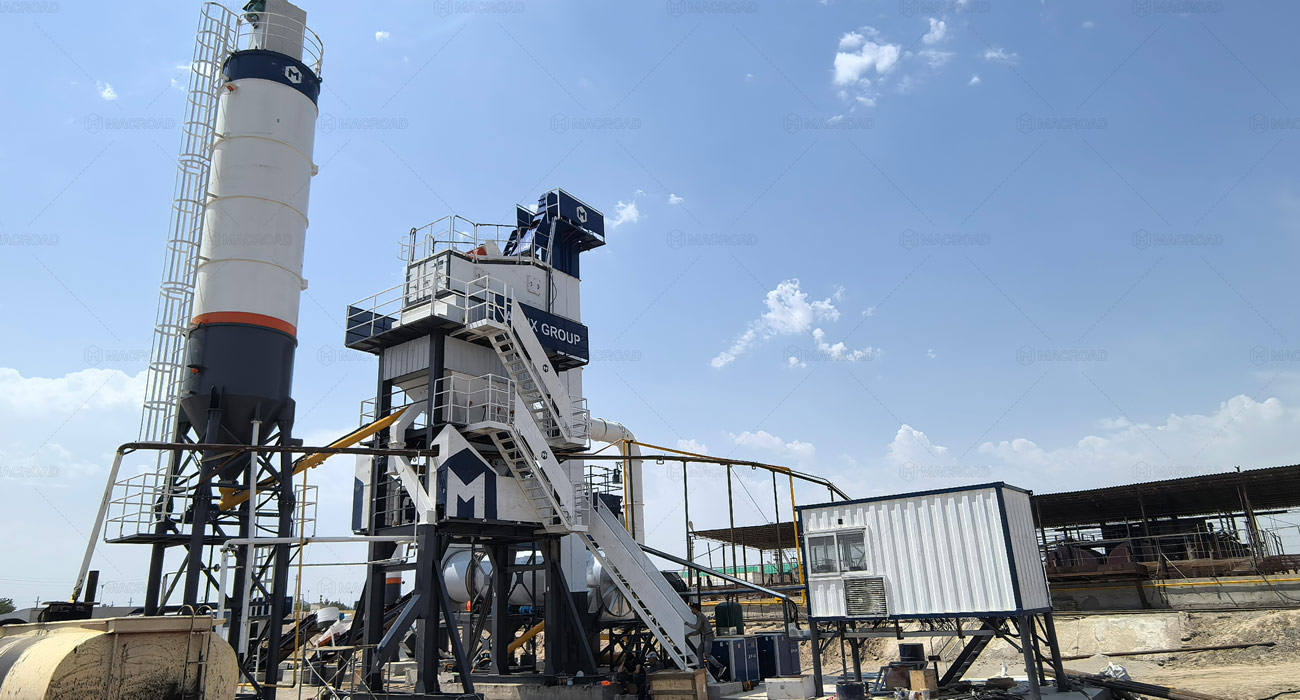
Mobile Asphalt Batching Plant Setup Capital Reduction Through Self-Erecting Chassis
A mobile asphalt batching plant with foundationless self-erecting chassis geometry eliminates the civil works scope that stationary configuration setup requires — poured tower foundations, aggregate bin support footings, and bitumen tank hardstand preparation whose combined cost represents a significant proportion of total setup capital expenditure on greenfield infrastructure sites. Wide-flange outrigger frames with hydraulic levelling jacks distribute operating loads across prepared unpaved terrain without engineered ground improvement, and integrated hydraulic tower erection eliminates crane rental whose remote site cost structure compounds across each project relocation.
The setup capital differential between a mobile asphalt batching plant and a stationary alternative within the same asphalt mixing plant for sale listing is therefore not the equipment price difference alone — it is the equipment price difference plus the foundation civil works scope, crane hire, and professional erection labor that mobile self-erecting architecture eliminates. On infrastructure projects requiring two or more site relocations, this differential repeats at each transfer, compressing the payback calculation against the mobile configuration’s equipment price premium into a timeline that multi-site annual project schedules typically recover within the first operational year.
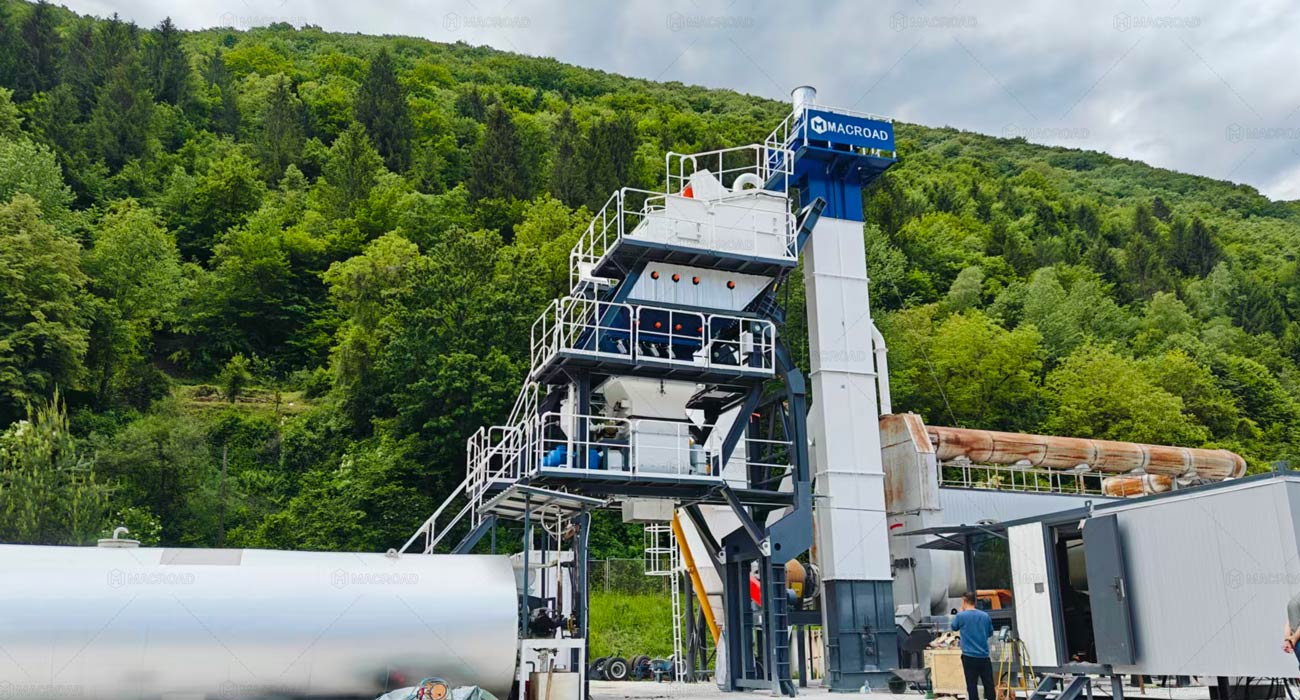
Matching Configuration Selection to Project Logistics and Contract Requirements
The asphalt mixing plant for sale configuration that optimizes total project economics is determined by the interaction between highway construction grading specification stringency and site permanence duration rather than by either variable independently. A single-site highway construction project with multi-year production duration and strict grading audit requirements favors stationary asphalt batching plant investment whose foundation cost amortizes across extended production volume and whose screening depth protects specification compliance across material quality variability that long projects generate.
A distributed highway construction program requiring production at multiple corridor locations within a single contract season favors mobile asphalt batching plant investment whose setup capital savings at each location accumulate into a total logistics cost reduction that stationary foundation investment cannot match regardless of screening system advantage.
Conclusion
An asphalt mixing plant for sale evaluation that compares stationary asphalt batching plant grading accuracy against mobile asphalt batching plant setup capital reduction produces a configuration recommendation only when project site permanence, highway construction grading tolerance regime, and annual relocation frequency are quantified — because the correct configuration is the one whose total project economics are strongest, not the one whose individual specification advantage is most compelling in isolation.