In the world of heavy industrial logistics and port operations, the Rubber Tyred Gantry (RTG) crane stands as a cornerstone of efficiency. Whether you are managing a bustling container terminal, a precast concrete plant, or a massive steel stockyard, the acquisition of a 45-ton or larger RTG is a high-cap investment that requires precision from the very first inquiry.
Getting the “best quote” is often misunderstood as simply finding the lowest price. In the heavy machinery sector, the best quote is actually the one that offers the highest Value-to-Cost Ratio, minimizing long-term operational expenses (OPEX) while meeting every technical demand of your specific site.
This guide explores the strategic steps to securing a comprehensive, competitive, and transparent quote for a heavy-duty RTG crane.
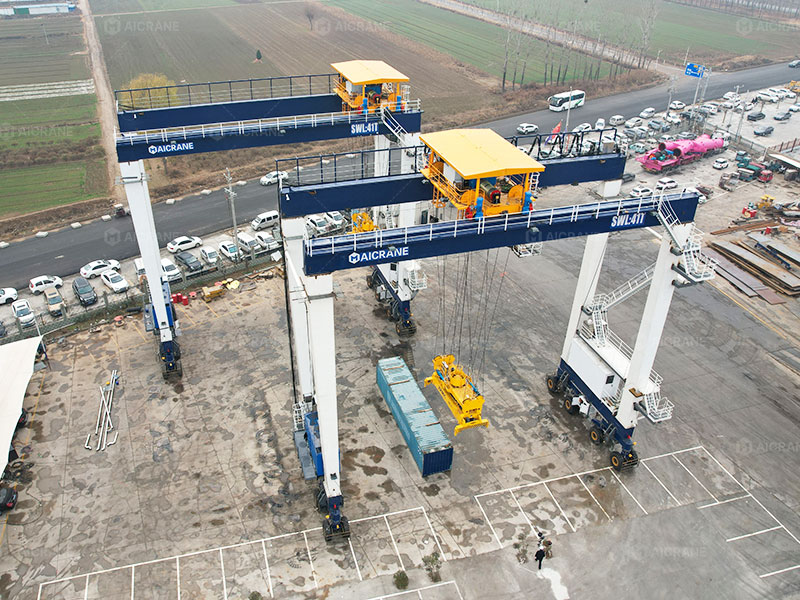
1. Define Your Technical “Core” Before Inquiring
A generic inquiry like “How much for a 45-ton RTG?” will rarely result in an accurate quote. To get a supplier’s best and most serious pricing, you must provide a detailed technical baseline.
Key Specifications to Include:
-
Lifting Capacity: Specify both the rated capacity (e.g., 45 tons) and the duty cycle. An A6 or A7 heavy-duty cycle will require more robust components than an A3 light-duty model, impacting the rubber tyred gantry crane price.
-
Span and Lift Height: How many rows of containers or stacks of concrete must the crane straddle? Is it “1 over 5” or “1 over 6”?
-
Wheel Configuration: For heavy loads, discuss the tonnage-to-wheel ratio. Standard configurations often scale in 4, 8, 16, or 32 wheels to distribute ground pressure effectively.
-
Travel Path: Clearly state if the crane requires straight-line travel (forward/backward) or 90-degree steering and carousel turns for yard flexibility.
By providing these details upfront, you signal to the manufacturer that you are a high-intent buyer, often resulting in more disciplined and competitive pricing from their sales engineering team.
2. Compare Power Systems: Diesel, Electric, or Hybrid?
One of the most significant variables in an RTG quote is the power unit. In the modern industrial landscape, your choice here dictates both the initial purchase price and the next ten years of energy costs.
-
Diesel-Electric: Generally the lowest initial cost but has higher long-term maintenance and fuel expenses.
-
E-RTG (Cable Reel or Busbar): Higher upfront infrastructure cost for the yard, but significantly lower energy costs and carbon footprint.
-
Hybrid Systems: Utilizing lithium battery banks alongside a smaller diesel generator. These offer excellent ROI by reducing fuel consumption by up to 30%, though the initial quote will be higher.
Pro Tip: Ask the gantry crane supplier for a Total Cost of Ownership (TCO) projection comparing these systems. A quote that looks expensive today might be $200,000 cheaper over a five-year period due to energy savings.
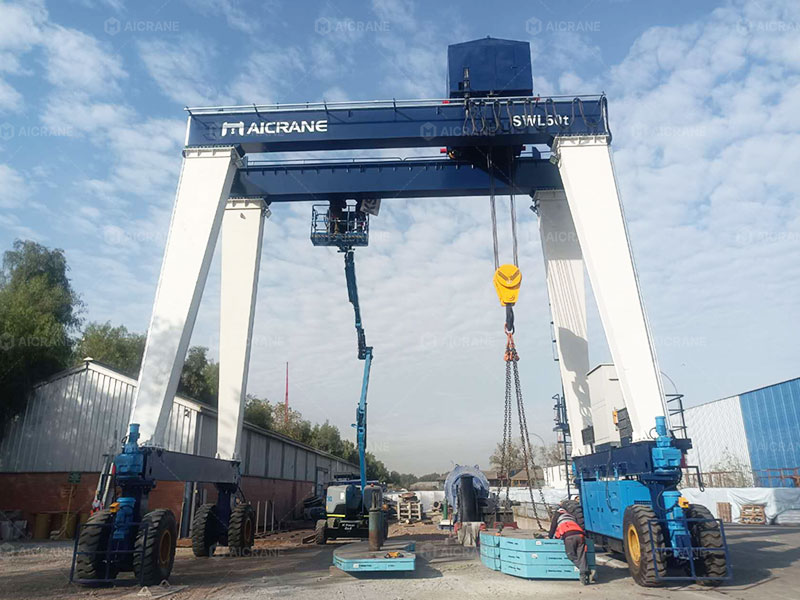
3. Leverage “Factory Direct” Transparency
When sourcing heavy lifting equipment, the “middleman markup” can add 10% to 20% to the final price. To get the best quote, look for manufacturers who offer factory-direct transparency.
When reviewing a quote, check for:
-
Component Origins: Does the quote specify the brands of the PLC (e.g., Siemens, Schneider), motors (e.g., ABB, SEW), and hydraulic systems? High-quality, globally recognized components ensure easier local maintenance later.
-
Manufacturing Standards: Ensure the quote mentions compliance with international standards such as ISO, CE, or FEM.
4. Account for Logistics and Installation “Blind Spots”
The “sticker price” of an RTG crane at the factory gate is only part of the story. A heavy duty gantry crane is a massive logistical undertaking. To avoid “quote shock” later, ensure your proposal includes:
-
Shipping & Packaging: Large RTGs must be partially disassembled and shipped via break-bulk or specialized containers.
-
Installation Supervision: Does the quote include sending a team of engineers to your site? This is crucial for ensuring the crane is calibrated correctly for its specific travel path and load stress.
-
Load Testing: Ensure the quote covers the commissioning phase, including static and dynamic load tests (often at 110% and 125% of rated capacity) to meet safety regulations.
5. Incorporate Smart Technology and Automation
In the era of AI-driven logistics, a “dumb” crane is a liability. While it adds to the initial quote, including smart features can drastically reduce insurance premiums and accident-related costs.
Ask for optional pricing on:
-
Anti-Sway Systems: Essential for 45-ton loads to prevent structural fatigue and improve cycle times.
-
Remote Monitoring/IoT: This allows the manufacturer’s support team to diagnose issues from thousands of miles away, preventing costly downtime.
-
Automatic Steering: DGPS or laser-guided steering ensures the RTG stays perfectly aligned in its lane, reducing tire wear—a major hidden cost in RTG operation.
6. The “Three-Quote” Rule and Negotiation Strategy
To truly benchmark the market, you should obtain at least three comparable quotes. However, do not just look at the bottom line.
The Comparison Matrix:
| Feature | Supplier A | Supplier B | Supplier C |
| Main Component Brands | Premium | Mid-Range | Unknown |
| Warranty Period | 24 Months | 12 Months | 12 Months |
| Delivery Timeline | 6 Months | 4 Months | 8 Months |
| Price | $$$ | $$ | $ |
Often, Supplier A is the best choice because their 24-month warranty and premium components suggest a lower risk of mechanical failure. Use the lower price of Supplier B as a negotiation lever to see if Supplier A can offer better terms or include spare parts packages in their total price.
7. Focus on After-Sales and Spare Parts
A 45-ton RTG that sits idle for three weeks waiting for a $500 sensor is a financial disaster. When evaluating a quote, pay close attention to the Spare Parts Package.
A “Best Quote” should include:
-
A list of wear-and-tear parts for the first two years of operation.
-
Guaranteed response times for technical support.
-
Detailed documentation for the specific electrical and hydraulic circuits of your crane.
Conclusion
Getting the best quote for a heavy-duty Rubber Tyred Gantry crane is a process of technical transparency. By defining your wheel configuration, choosing the right power system, and demanding a breakdown of logistics and components, you move the conversation from “price” to “value.”
In 2026, the most successful port and industrial operators are those who look at the RTG as a long-term asset. When you receive a quote that balances robust engineering with smart automation and energy efficiency, you aren’t just buying a gantry crane – you are investing in the future stability of your supply chain.
Are you looking for a customized 45-ton RTG solution for your next project? Contact our engineering team today for a comprehensive technical proposal and a factory-direct quote.