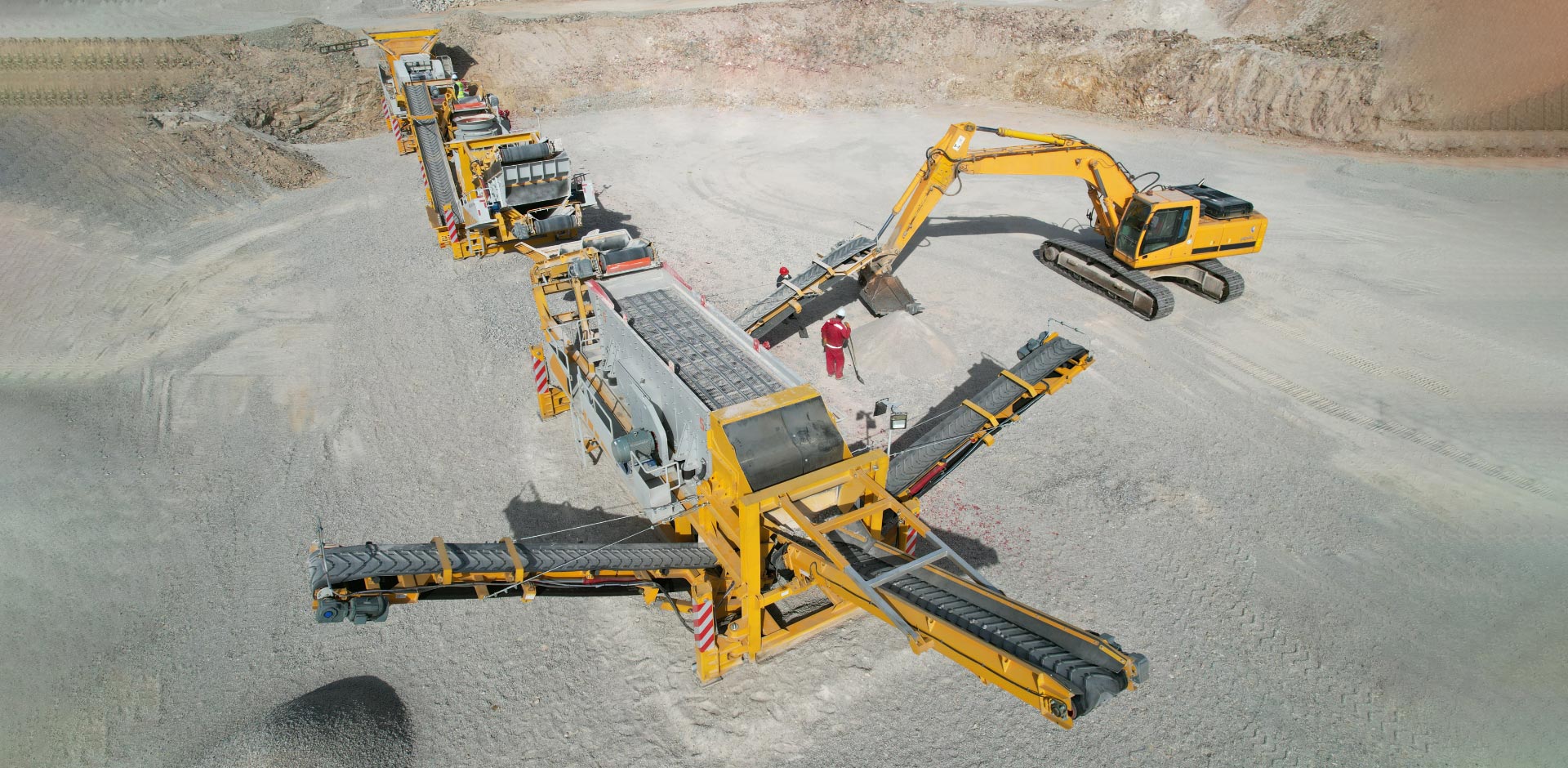
Developing markets offer opportunities for aggregate producers as urban expansion, road construction, housing development, and industrial projects increase demand for construction materials. However, a growing construction sector does not automatically guarantee a profitable quarry operation. Investors must evaluate local aggregate consumption, geological resources, transportation conditions, equipment requirements, and market competition before establishing a production facility. Selecting suitable aggregate crushers is an important part of this process because crushing capacity, product quality, and operating costs directly influence the ability to supply local construction projects competitively.
1. Identify Construction Demand Before Investing in Quarry Equipment
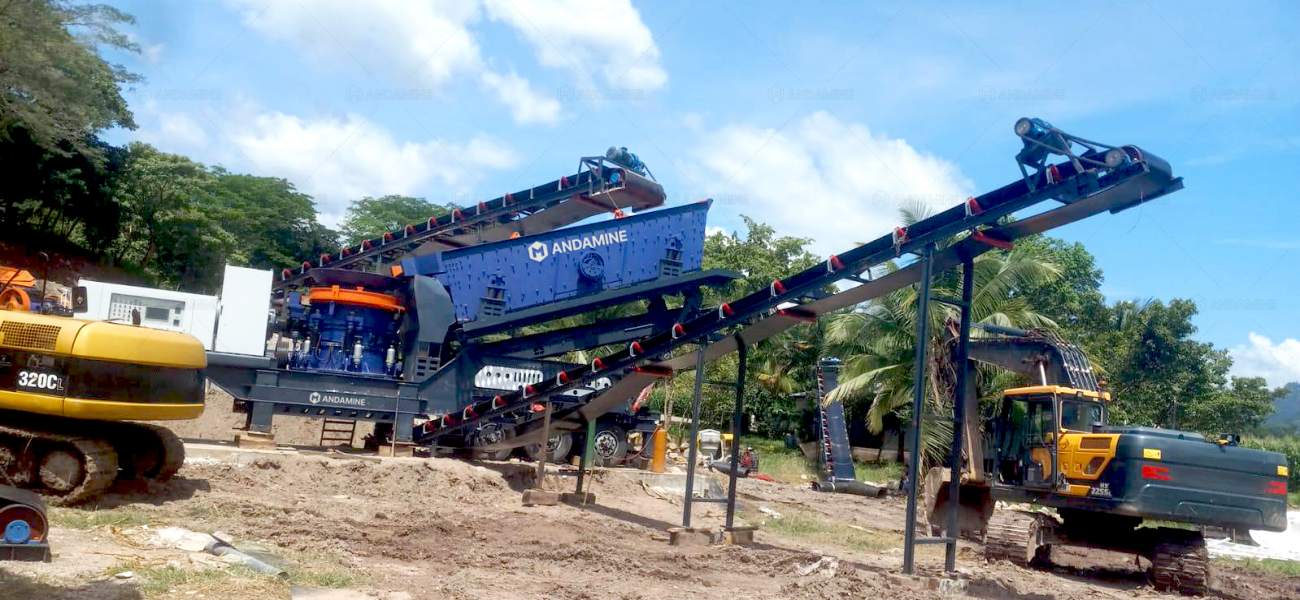
Local construction demand should be the starting point of a quarry investment assessment. Road networks, bridges, airports, residential developments, commercial buildings, and industrial facilities all consume aggregates, but their material requirements and purchasing patterns differ. Road projects may require large quantities of graded crushed stone over a defined construction period, while urban concrete suppliers often need a more consistent supply of several aggregate sizes.
Investors should examine planned infrastructure projects alongside actual construction activity. Government budgets, awarded contracts, contractor procurement schedules, concrete batching plant locations, and existing aggregate suppliers can help estimate realistic demand. It is also important to distinguish between announced projects and funded projects that are likely to proceed. A quarry designed around temporary demand may face underutilized equipment once a major construction project is completed.
2. Assess Local Geological Resources and Raw Material Quality
Resource availability determines what a quarry can produce and how much processing investment it requires. Geological surveys and representative material tests should establish the deposit’s size, consistency, hardness, abrasiveness, moisture content, and potential impurities. Investors should also investigate whether the deposit can support production over the expected operating period and whether extraction permits and environmental approvals are obtainable.
Different rock types require different crushing approaches. A limestone crusher is commonly used for relatively soft to medium-hard limestone deposits supplying road construction, concrete production, and other building-material markets. Limestone properties can vary between deposits, so testing is still necessary to determine suitable crushing stages and wear-part requirements.
For harder and more abrasive materials, a granite crusher machine may be required. Granite is widely used in demanding construction applications, but its hardness and abrasiveness can increase energy consumption and wear costs. A production line may combine jaw crushing for primary reduction with cone crushing for secondary processing and screening to achieve the required product sizes.
3. Match Aggregate Crushers to Local Market Requirements
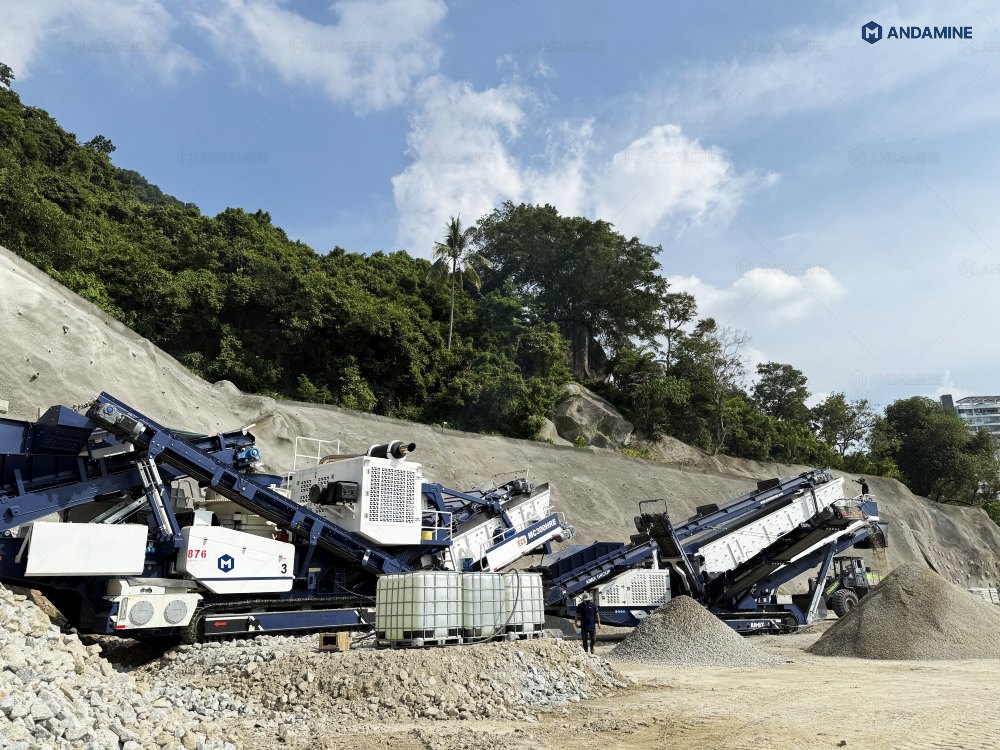
Equipment selection should follow the characteristics of the raw material and the specifications of local buyers. A jaw crusher is generally suitable for primary reduction of large rocks. Cone crushers are commonly used for secondary or tertiary crushing of hard and abrasive materials, while impact crushers can be useful for softer rock and applications where particle shape is important.
In markets where natural gravel deposits are accessible, gravel crushers can help producers process natural deposits or oversized gravel into construction-grade products. The appropriate configuration depends on feed size, particle shape, clay content, and the required output gradation. Pre-screening may remove soil and undersized material before crushing, reducing unnecessary equipment loading. Vibrating screens then separate finished products into different size fractions.
Producers should avoid choosing equipment based only on its rated capacity. Actual saleable output depends on material characteristics, feed consistency, crusher settings, screening efficiency, and the proportion of material meeting customer specifications. A plant that produces high volumes but generates excessive fines or inconsistent gradation may struggle to achieve competitive selling prices.
4. Evaluate Transportation and Regional Supply Opportunities
Aggregate is a heavy, relatively low-value material per ton, making transportation distance a major factor in its delivered cost. A quarry located close to construction centers, concrete plants, asphalt facilities, or highway projects may have a competitive advantage over distant suppliers, even if its production costs are slightly higher.
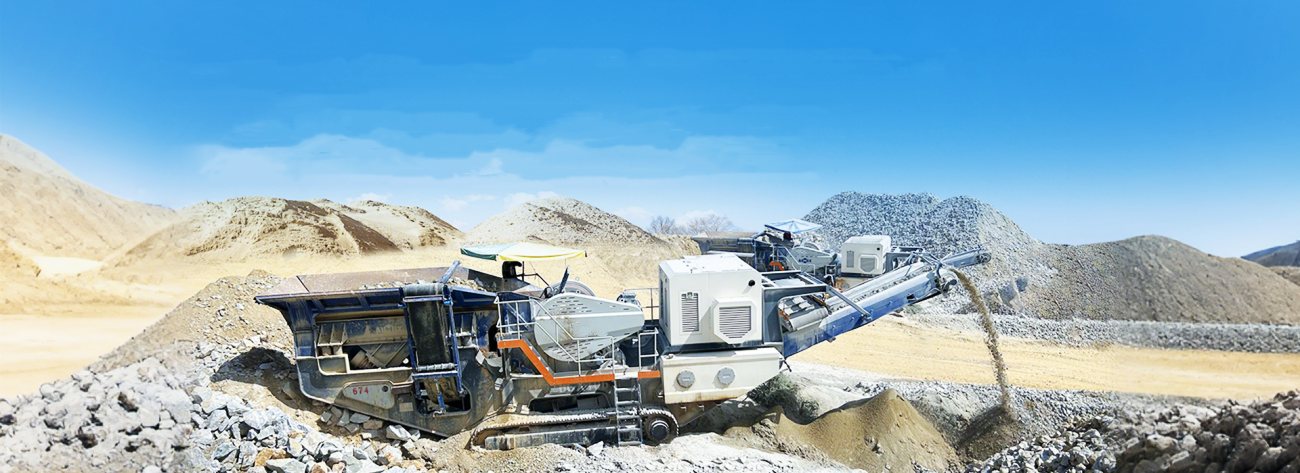
Market research should therefore cover more than the quarry’s immediate surroundings. Investors can identify potential customers along regional transport corridors and compare road conditions, fuel costs, vehicle availability, and seasonal accessibility. In remote areas, a mobile crushing plant may be worth considering because it can be relocated closer to different deposits or project sites. Stationary plants, meanwhile, may be more appropriate where reserves are stable and long-term production volumes justify a fixed installation.
5. Calculate Investment Costs and Long-Term Profitability
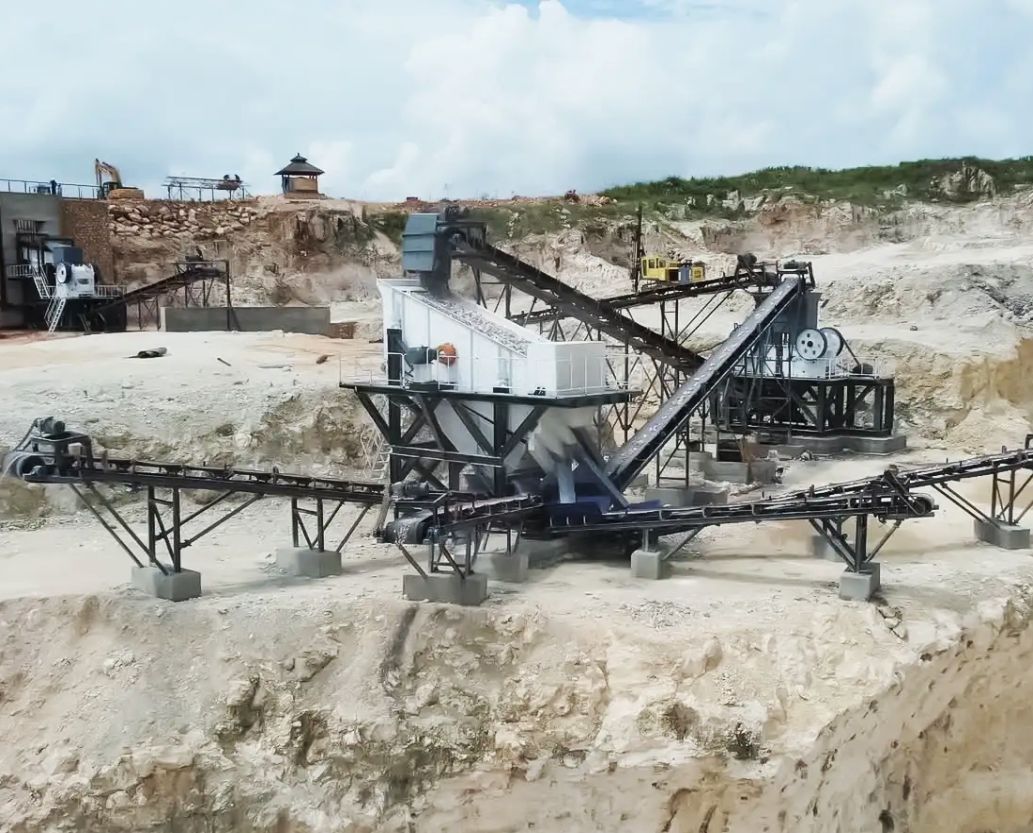
A realistic quarry investment budget includes more than the purchase price of aggregate crushers. Land preparation, extraction equipment, loading machinery, feeders, conveyors, screens, electrical systems, installation, spare parts, labor, fuel, and regulatory compliance all contribute to total project costs. In developing markets, additional considerations may include equipment import duties, currency fluctuations, port handling, local service availability, and spare-parts delivery times.
Profitability should be assessed using the cost per ton of saleable aggregate rather than theoretical crusher output. Investors need to estimate the percentage of extracted material that becomes marketable products, the selling price of each size fraction, and the operating expenses required to produce them. Sensitivity analysis can show how changes in fuel prices, production volume, aggregate prices, or equipment downtime affect the project’s financial performance.
6. Consider Permits, Environmental Management, and Operational Skills
Quarry development requires attention to land-use permissions, extraction rights, environmental assessments, dust control, noise management, drainage, and rehabilitation obligations. Requirements vary by country and local jurisdiction, so investors should confirm the applicable rules before purchasing equipment or beginning site development. Responsible resource management also helps reduce conflicts with nearby communities and protects the long-term viability of the operation.
Operational capability is equally important. Local teams need training in crusher operation, feed control, screening, equipment inspection, lubrication, and wear-part replacement. Where technical support and spare parts are difficult to obtain, choosing equipment with accessible maintenance points and establishing a practical inventory of critical components can reduce extended downtime.
Build Quarry Opportunities Around Verifiable Local Demand
Aggregate production in developing markets can offer long-term business opportunities, but successful investment depends on matching local demand with suitable resources and realistic operating economics. By studying construction activity, testing geological deposits, selecting appropriate aggregate crushers, and accounting for transportation and compliance costs, investors can develop a production system suited to regional conditions. A quarry built around verified customer requirements and sustainable resource management is better positioned to serve local infrastructure growth and remain competitive as the market changes.